When "microwave-safe" does not mean what you think
The label "microwave-safe" means a container will not warp, melt, or catch fire in a microwave. It says nothing about chemical or particle migration into food. A container can carry that label and still shed thousands of microplastics per milliliter of liquid inside it. The FDA's microwave-safe standard, set in the 1970s, predates the science on nanoplastic release and BPA-replacement chemistry.
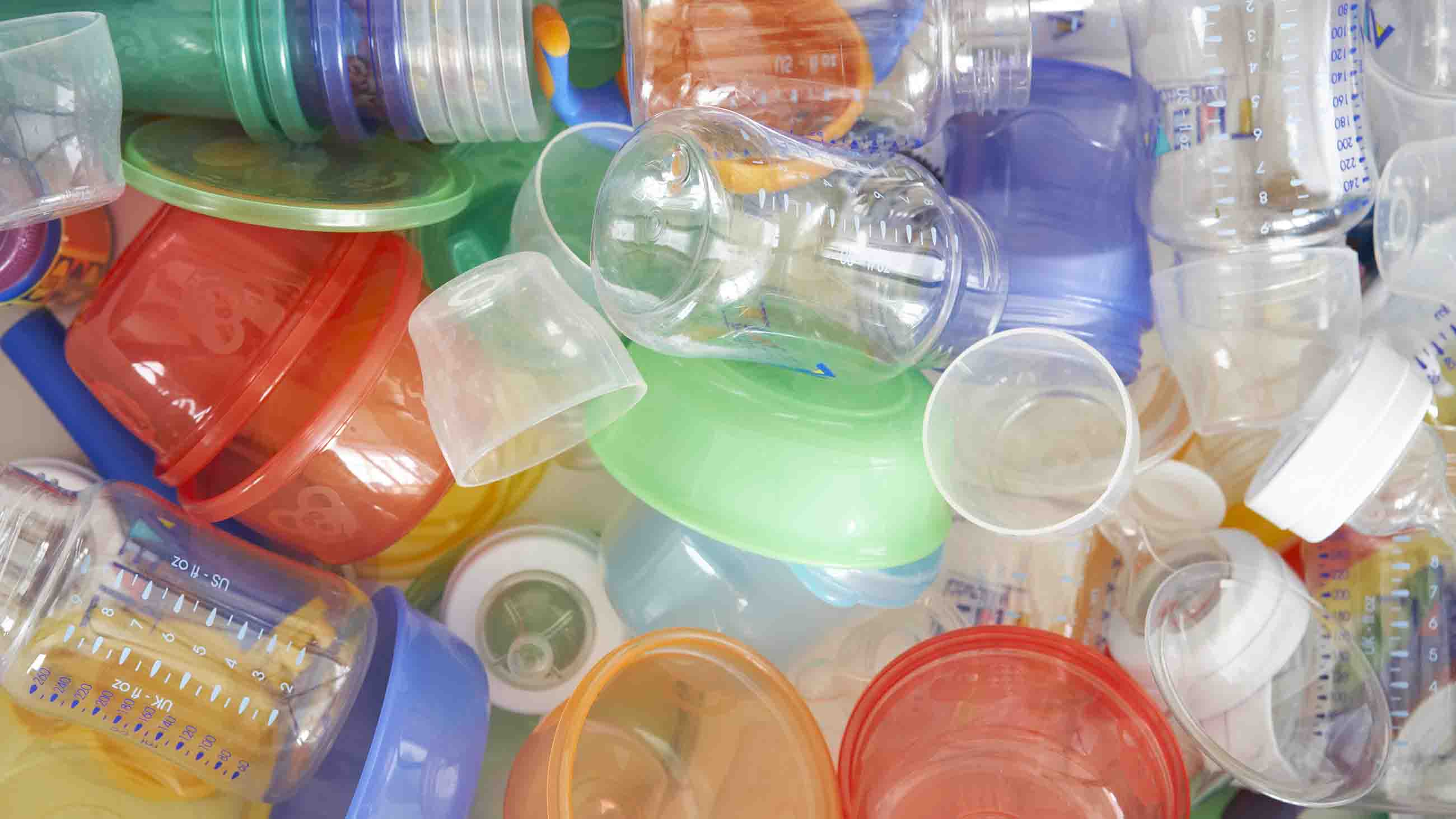
A 2023 study in Environmental Science & Technology found that a single polypropylene container microwaved at standard power for three minutes released up to 4.22 million microplastic particles and 2.11 billion nanoplastic particles per square centimeter of surface area, directly into the food or liquid sitting against that surface. Infant formula heated in polypropylene baby bottles showed the highest release rates in the study.
Why heat makes it worse
Plastics are not a single material. Polypropylene, polyethylene, polycarbonate, and polystyrene all have different structures, but heat degrades all of them the same way: it breaks intermolecular bonds and accelerates diffusion of additives out of the polymer matrix. Even at 60°C (140°F), well below boiling, migration rates for phthalates and bisphenol substitutes more than double compared to room temperature. Microwave heating creates localized hot spots that push surface temperatures much higher, even in containers that feel only warm on the outside.
Acidic foods (tomato sauce, citrus, vinegar-based dishes) accelerate migration by chemically attacking the polymer surface. Fatty foods absorb lipophilic migrants at higher concentrations because these compounds dissolve into fat rather than water. A container of tomato pasta sauce microwaved twice a week represents one of the higher everyday exposure scenarios.
The lid-gasket loophole in glass containers
A glass container body does not migrate. The problem is the lid. Most "glass food storage" containers on the market use plastic snap-lids, and many of those lids include a silicone gasket seated inside a polypropylene or ABS plastic ring that contacts food directly when the container is full. Steam rising from hot food condenses on the plastic lid and drips back in.
Some containers labeled "glass" also have a plastic valve or vent embedded in the lid for microwave use. That valve is typically polypropylene. If you microwave with the lid on (as most people do to prevent splatter), the hottest surface in the setup is plastic sitting directly above the food.
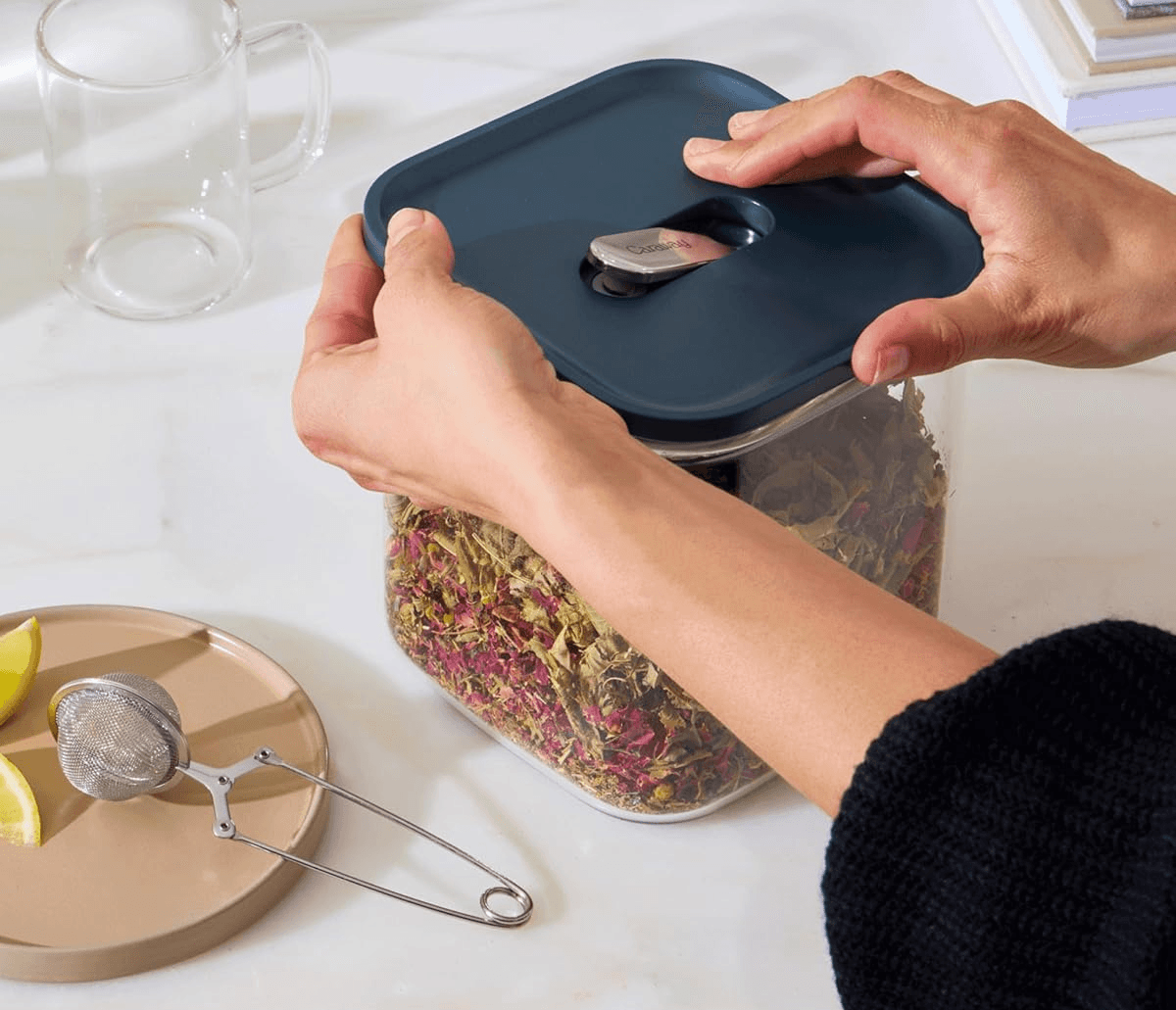
The fix is simple: remove the lid before microwaving, or transfer food to a container without plastic lid components. A ceramic plate set on top works as a splatter shield.
BPA substitutes are not a solved problem
When BPA became widely understood as an endocrine disruptor around 2010, manufacturers replaced it with BPS (bisphenol S) and BPF (bisphenol F). These compounds were assumed to be inert because they had not been tested at the time. They have since been tested. A 2019 review in Environmental Research found that BPS and BPF are estrogenic at concentrations comparable to BPA, and that some tissues respond more strongly to BPS than to BPA. The label "BPA-free" marks the absence of one compound; it does not characterize the safety of the replacement.
Polypropylene, marketed as BPA-free, does not contain BPA by design. Yet a 2011 study in Environmental Health Perspectives found that many polypropylene products leach chemicals with estrogenic activity under UV exposure and heat stress. The estrogenic compounds in PP are not bisphenols; they belong to a separate class of additives and degradation products that standard BPA testing does not detect.
This is not a reason to discard everything plastic in your kitchen. It is a reason to treat "BPA-free" as a statement of one fact rather than a safety certification. You can read the full screening criteria at our promise.
Migration ranking: a practical hierarchy
This ranking covers what actually contacts hot food or liquid, based on current migration literature. It assumes the container's primary material is intact.
Glass (body only, lid removed): No detectable migration. Glass is chemically inert at all food-contact temperatures. Borosilicate and soda-lime glass have no known migration pathway into food. The body is safe; the lid-gasket section above covers the exception.
Stainless steel (18/8 or 18/10 grade, uncoated interior): Trace nickel and chromium can migrate into acidic foods at very low concentrations, but the levels measured in migration studies are well below regulatory limits and orders of magnitude lower than what any plastic releases. For adults with ordinary dietary nickel intake, uncoated stainless is functionally zero-risk for food storage.
Food-grade silicone (platinum-cured, filler-free): Silicone itself is chemically stable. The concern is the additive and colorant package in lower-quality grades. A quick field test: fold a silicone item in half; a faint white color at the crease indicates low-quality filler. Under sustained high heat, degraded or filled silicone releases volatile siloxanes. Platinum-cured, filler-free silicone shows minimal estrogenic activity and no microplastic release in migration studies.
Plastic (all grades, heated): Microplastic release, nanoplastic release, and chemical migration all increase with temperature. Higher-exposure scenarios include: plastic film wrap in contact with heated food, containers used in the microwave with lids on, infant bottles heated to serving temperature, and single-use containers that have been through the dishwasher repeatedly. A single dishwasher cycle at high heat causes polypropylene to shed roughly 20 times more microplastics than cold storage does.
What to do today
You do not need to replace all the plastic in your kitchen. Cold dry storage (crackers, grains, dry pantry items) is a low-migration scenario. The highest-impact changes per effort:
- Do not microwave in plastic. Transfer food to a glass or ceramic vessel before reheating, even if the plastic container is labeled microwave-safe.
- Remove plastic lids before microwaving glass containers, or set a ceramic plate on top to catch splatter.
- Do not fill plastic containers with food straight off the stove. Let it cool to near room temperature first.
- Replace scratched, cloudy, or aging plastic containers. Surface degradation substantially increases particle release.
- For infants, use glass or stainless steel bottles. Avoid heating formula in polypropylene.
For vetted glass, stainless, and silicone picks that pass the published screening criteria, see the companion non-toxic food storage guide. For microplastic shedding from cutting boards, where knife abrasion plays the same role that heat plays here, see the non-toxic cutting boards guide.
FAQ
Does "microwave-safe" mean the container won't leach chemicals?
No. The FDA's microwave-safe standard tests whether a container physically distorts under heat. It does not measure chemical migration or microplastic release. A container can pass that standard and still shed millions of plastic particles per milliliter of liquid during a three-minute reheat cycle.
Is BPA-free plastic safe to heat?
Not necessarily. BPA-free plastics substitute other bisphenol compounds (BPS, BPF) or plasticizers that research increasingly links to estrogenic activity similar to BPA. Polypropylene, the most common BPA-free food-storage plastic, releases chemicals with estrogenic activity under heat, particularly from scratched or repeatedly dishwashed surfaces. BPA-free is one fact about one compound, not a full safety profile.
Are glass containers completely safe for heating food?
The glass body is chemically inert at any food-contact temperature. The risk is the lid: most glass food-storage lids include polypropylene or ABS plastic components sitting above hot food, condensing steam back into the container. Remove the lid before microwaving, or cover with a ceramic plate.
How much plastic do people typically ingest?
Research into microplastic ingestion is ongoing, and estimates vary widely across study designs and populations. People who regularly heat food in plastic, or store acidic and fatty foods in plastic containers, tend to have higher exposure than those who use glass and stainless steel. The long-term health effects at chronic low doses are still being established; the practical case for glass and stainless is that migration is easily avoided once you know where it comes from.
What about microplastics from plastic cutting boards?
The mechanism is knife abrasion rather than heat, but the material concern is the same. A 2023 study estimated that a single use of a polypropylene cutting board generates up to 79 milligrams of plastic fragments per session. Hardwood boards do not. See the non-toxic cutting boards guide for a full breakdown of materials and picks.
Cover image: Julia M Cameron via Pexels (Pexels License). Source.