A study published online September 19, 2026 in Environment International found that bisphenol S (BPS), the chemical most widely substituted for BPA in food containers and water bottles marketed as BPA-free, worsened high-fat-diet-induced obesity and insulin resistance in the offspring of exposed mothers. Researchers applied lipidomics and proteomics across multiple tissues, making this one of the more mechanistically detailed maternal-exposure studies published on BPS.
Song H, Li S, Lin J, Hu Y, et al. "Bisphenol S exacerbates high-fat diet-induced obesity and insulin resistance in offspring: insights from a multi-tissue systemic lipidomic and proteomic atlas." Environment International, available online September 19, 2026. Full text.
The design was a maternal-exposure model: pregnant animals received BPS, and the offspring were subsequently placed on a high-fat diet. The BPS-exposed offspring showed significantly higher body weight gain and worse insulin resistance markers than controls on the same diet. Multi-tissue analysis traced the effect to disruptions in mitochondrial function and lipid processing. This is preclinical research, and rodent findings do not translate automatically to human outcomes. Animal models are the standard method for establishing whether a biological mechanism is plausible, though, and this study makes a credible case that one exists for BPS at the metabolic level.
The findings sit within a longer pattern. BPS entered food-contact manufacturing after BPA came under regulatory scrutiny, on the premise that structural similarity between the two compounds did not imply the same biological activity. That premise has been difficult to defend: urine monitoring studies have found BPS at measurable concentrations in general populations, and earlier animal research had linked it to reproductive and developmental effects. This study extends concern to metabolic outcomes, specifically body weight regulation and insulin sensitivity rather than the hormone disruption documented in prior work.
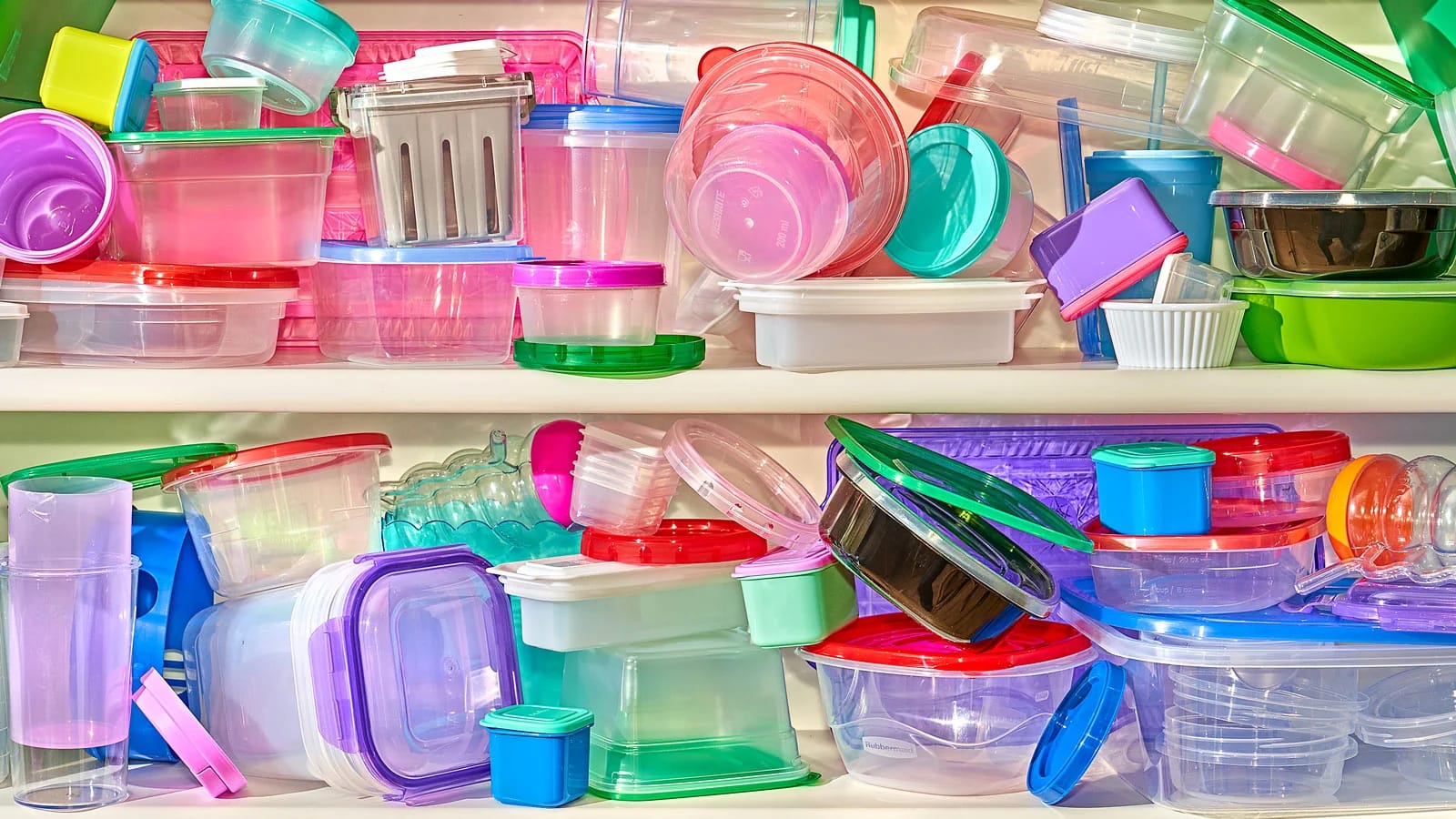
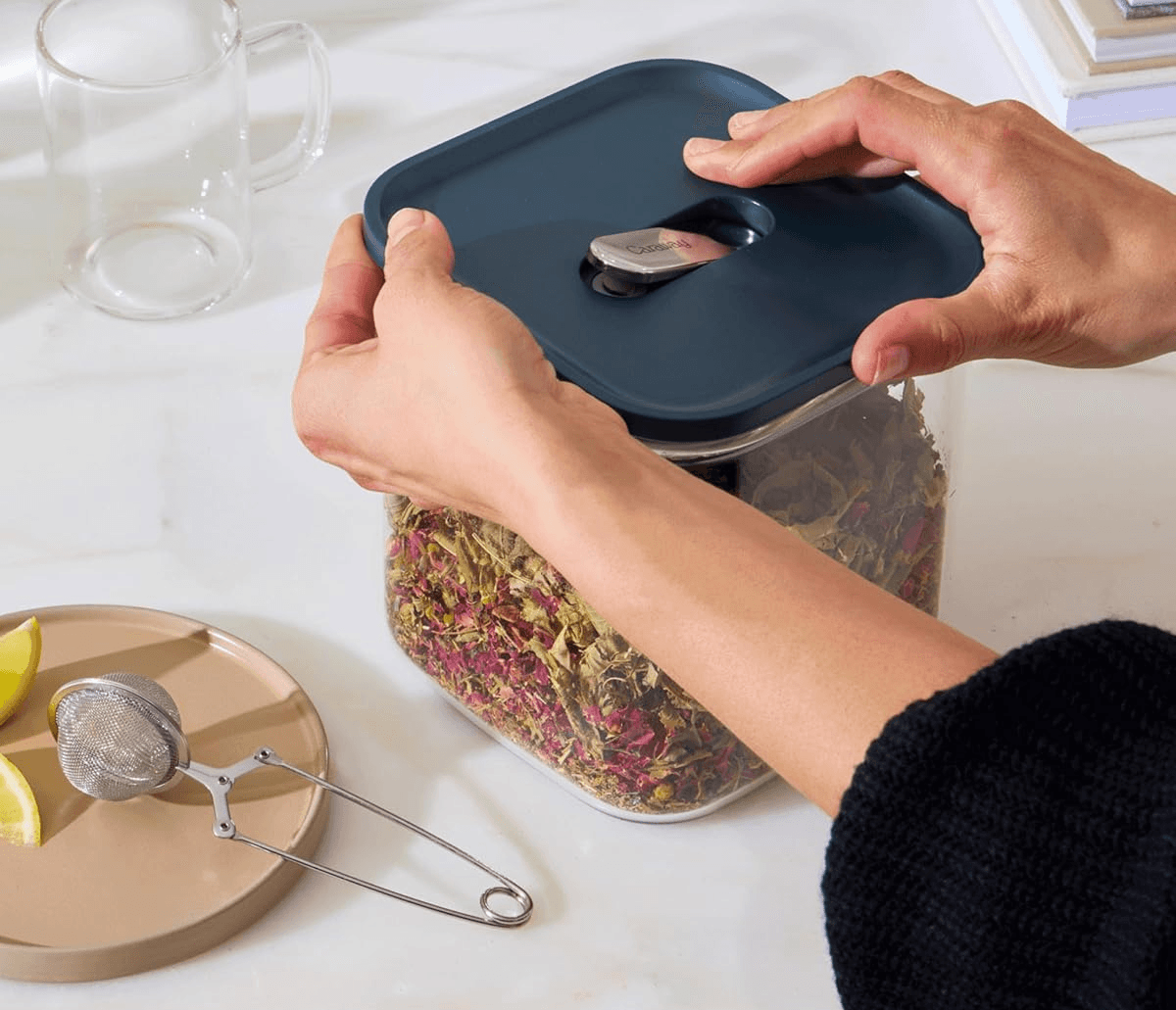
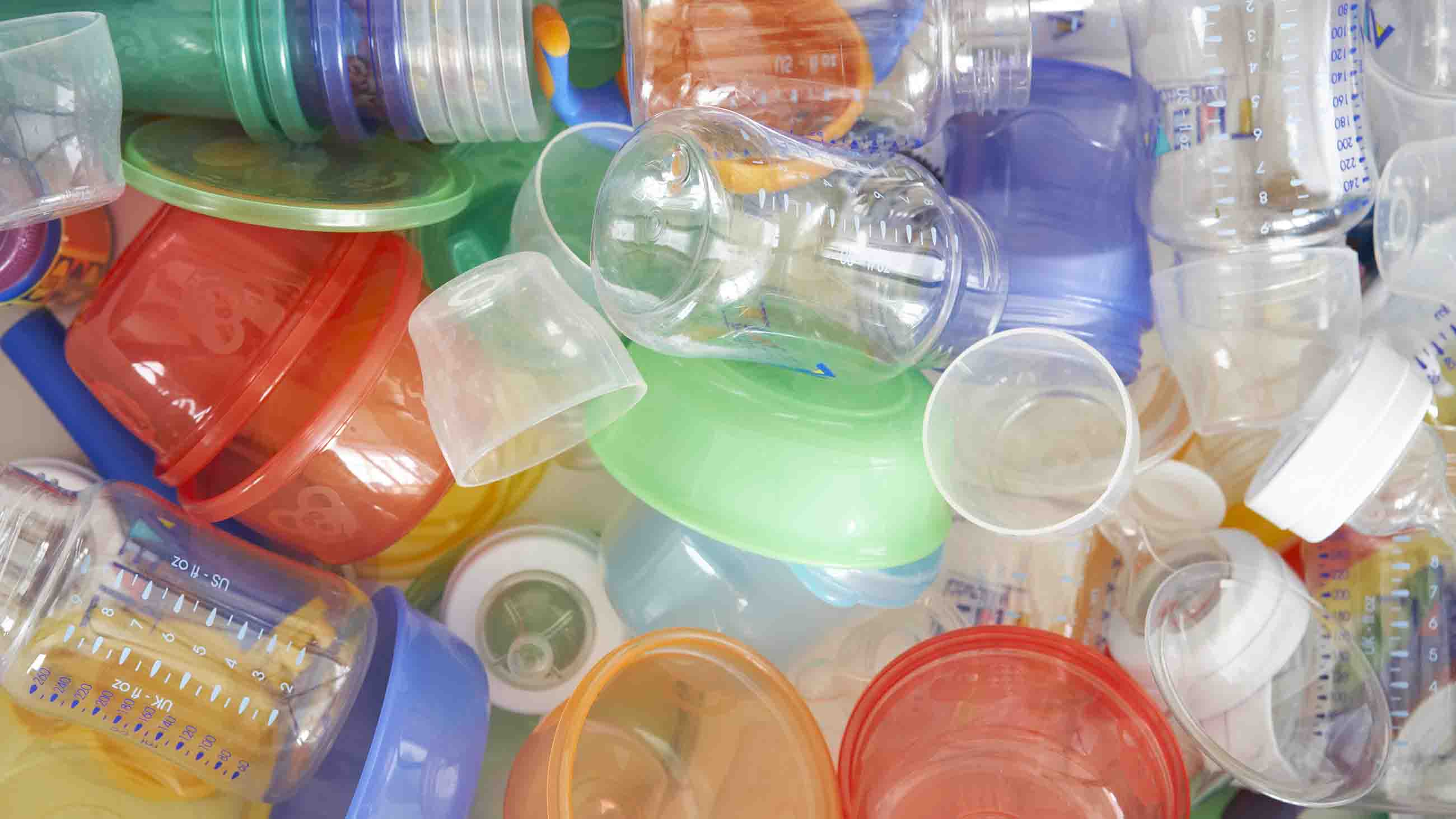
In domestic settings, the primary BPS exposure routes are hard polycarbonate-style food containers, can linings, water bottles, and thermal paper receipts carrying the BPA-free label. Migration from plastic into food accelerates under heat and with acidic contents. The most straightforward mitigation is a material change: glass and stainless steel do not use bisphenol chemistry. The non-toxic food storage guide at our food storage picks covers verified glass and stainless options across price tiers. If you are ready to swap now, the product directory is filtered against all bisphenols, not just BPA.
Cover image: Ron Lach via Pexels (Pexels License). Source.