A meta-analysis published in Environmental Research this November found that prenatal exposure to bisphenol S (BPS) is associated with shorter gestational age and a higher risk of preterm birth. BPS is the chemical manufacturers most commonly substitute for bisphenol A (BPA) in products labeled "BPA-free."
The analysis, by Paul et al., appeared in Volume 309 of Environmental Research (November 2026). It pooled data from multiple independent cohort studies and applied statistics to identify a consistent pattern across them. A systematic review with meta-analysis is the most rigorous form of epidemiological evidence for questions of this type.
BPA was phased out of many consumer products after research linked it to hormonal disruption: it binds to estrogen receptors and interferes with endocrine signaling. BPS, its most common replacement, shares the same core chemical structure. Regulators and certifiers have generally treated BPS as safer, but only because the direct evidence lagged. This meta-analysis narrows that gap considerably. The association with shortened gestational age across the pooled studies is statistically significant, and the BPS exposures measured came from typical consumer use, not industrial or occupational settings.
Preterm birth, delivery before 37 weeks, carries well-documented clinical consequences: respiratory complications, feeding difficulties, and elevated risk of longer-term developmental issues. The finding is not about extreme or occupational exposure; it reflects everyday kitchen and grocery habits.
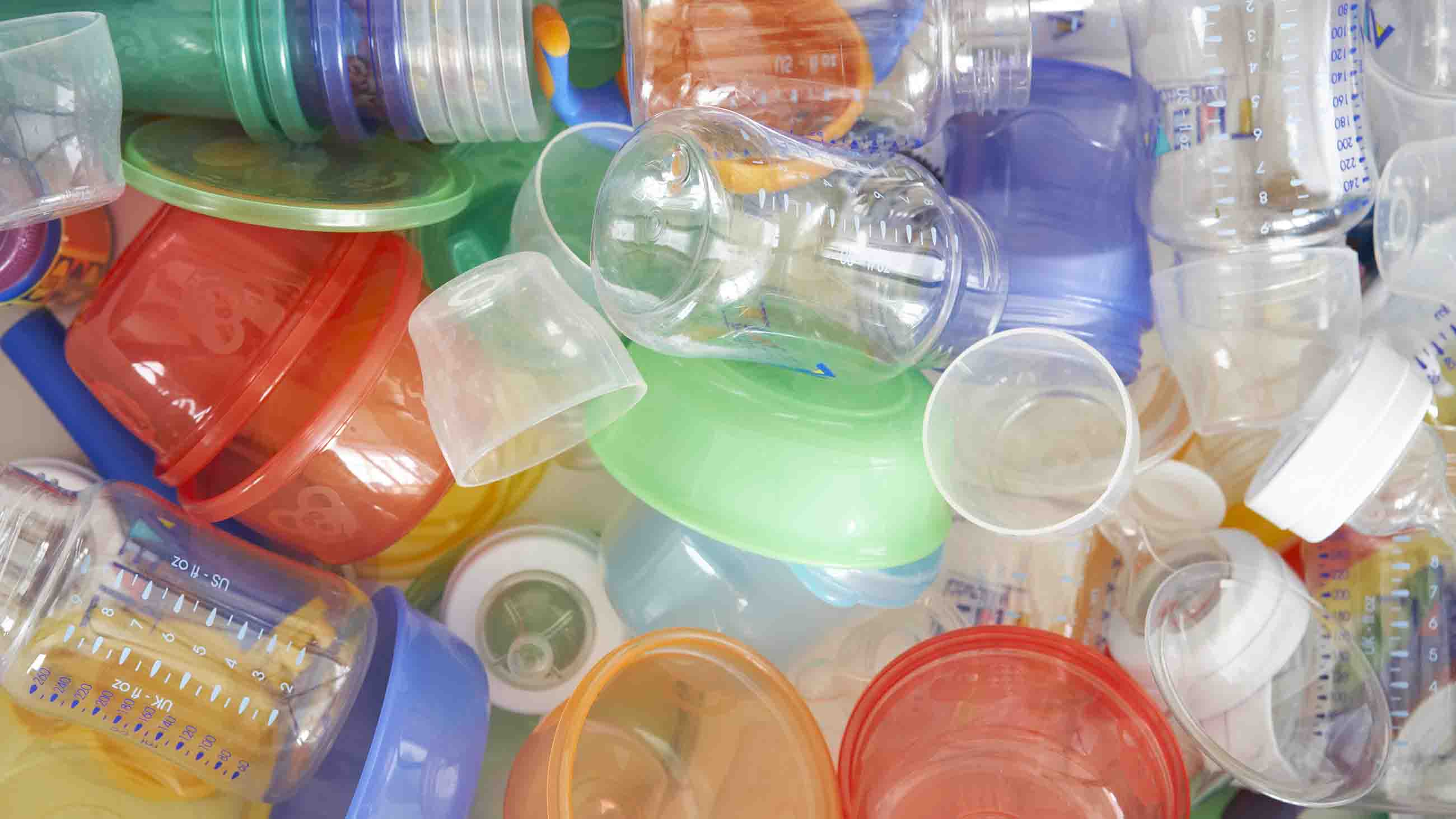
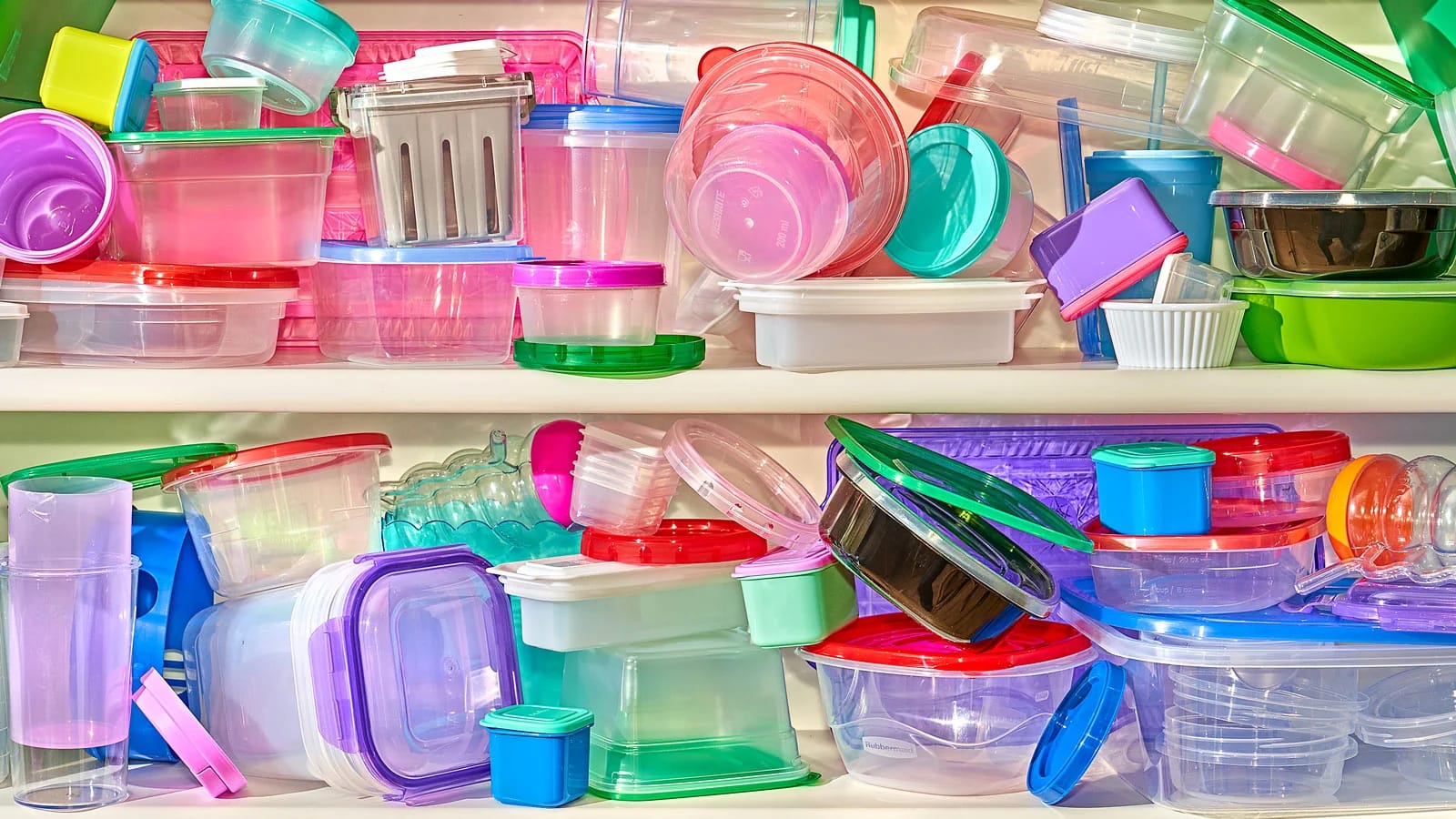
BPS is present in many hard polycarbonate-replacement plastics, including Tritan, a polymer used widely in reusable water bottles and food storage containers marketed as BPA-free. It also appears in epoxy-based can linings, the formulation many brands switched to after BPA restrictions, and in thermal receipt paper. The exposure mechanism mirrors BPA: BPS leaches into food and liquid, with leaching rates rising when containers are heated (microwaved or run through a dishwasher) and when used with acidic foods. Canned goods are a less-scrutinized source; many mainstream brands replaced BPA-based can linings with BPS-based alternatives without changing their labeling.
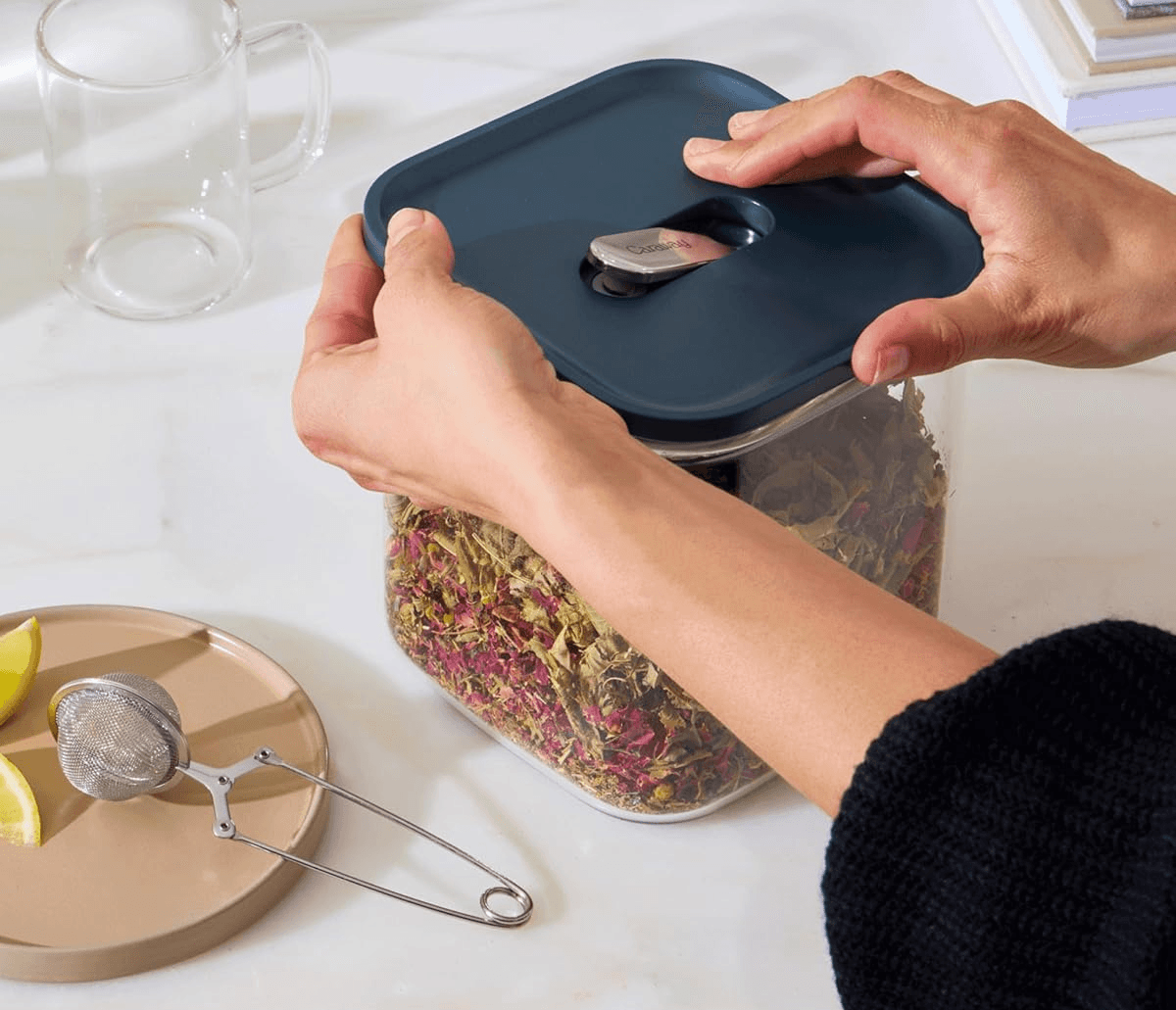
Moving toward glass, stainless steel, or certified food-grade silicone for containers in direct food contact is the practical response, especially for anything heated. Our food storage guide covers options verified against the same criteria we apply to every kitchen product, including the absence of bisphenol substitutes. The "BPA-free" label on a plastic container offers no assurance that BPS is absent.
Cover image: Denise Johnson via Unsplash (Unsplash License). Source.