A study published in August 2026 in Environment International tracked more than 200 women of reproductive age in New York City and found that those with higher urinary concentrations of bisphenols and phthalates had measurably stiffer arteries. Arterial stiffness is an established preclinical marker for cardiovascular disease; it reflects reduced vessel elasticity before symptoms appear.
Rui Ling, Eunsil Seok, Mengling Liu, Shilpi Mehta-Lee, Yu Chen, and Linda G. Kahn at NYU Langone and Columbia University published "Exposure to bisphenols and phthalates and arterial stiffness in women of reproductive age: a New York City cohort analysis" in Environment International, Volume 214, August 2026. This is among the first large cohort studies to connect routine bisphenol and phthalate body burden specifically to arterial stiffness.
What the data show
The study measured urinary metabolites rather than direct blood levels. Urinary concentrations reflect recent cumulative exposure: both chemical classes clear from the body within hours to days, so elevated readings at the time of testing point to ongoing rather than isolated exposure. Participants were women of reproductive age, a group of interest because both chemical classes are endocrine-disrupting compounds and cardiovascular risk varies across hormonal life stages.
The finding carries weight because arterial stiffness precedes clinical cardiovascular events by years. A less elastic aorta raises pulse pressure, increases the workload on the heart, and is independently associated with elevated risk of heart attack and stroke. The authors controlled for age, race, and body mass index; the association with chemical biomarkers held across those adjustments.
Where these chemicals come from
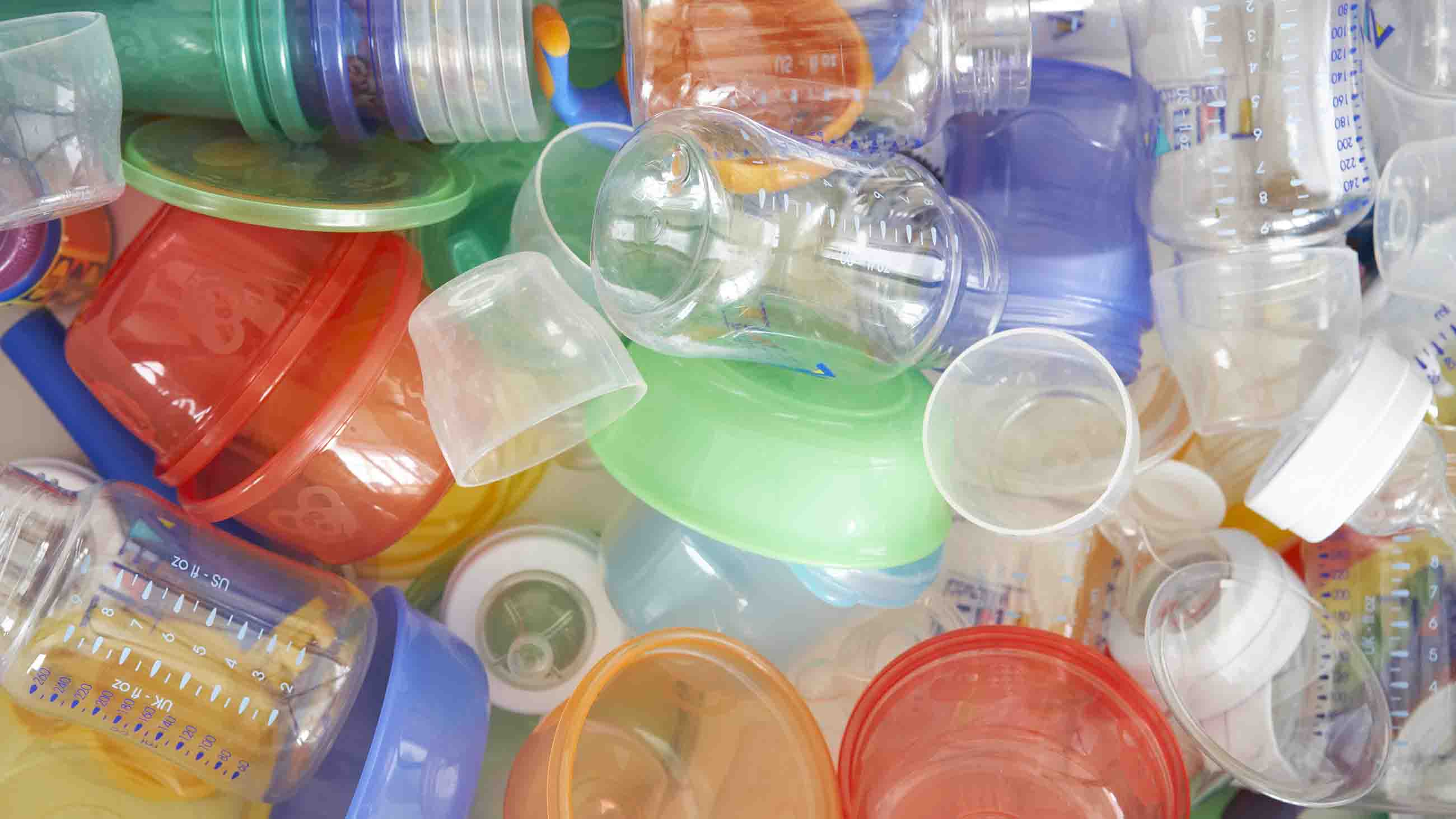
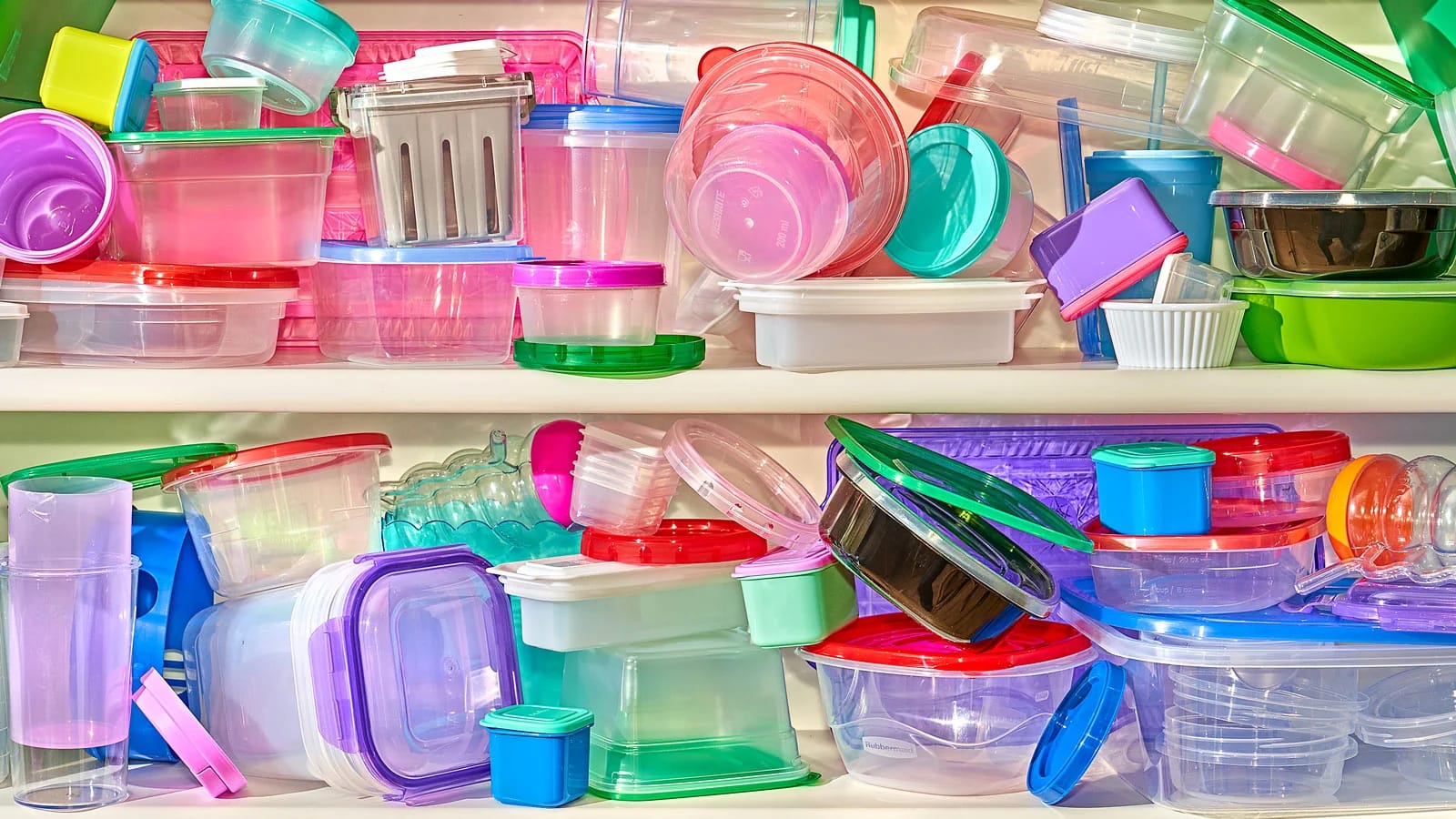
Both chemical classes migrate from common kitchen materials into food and drink. Bisphenols (BPA and its substitutes BPS and BPF) are used in the epoxy linings of most canned foods and in polycarbonate components of some food containers. Heat accelerates migration: reheating food in a plastic container raises the transfer rate significantly. Phthalates, used as plasticizers in PVC and softer plastics, also appear in food-packaging adhesives and the films wrapping processed meats, cheese, and bread.
The NYC cohort's biomarker data reflect dietary exposure, not industrial or occupational sources. A routine built around canned soups, plastic-wrapped deli foods, and takeout containers reheated in a microwave delivers a consistent daily load.
What to do
The most effective reductions come from targeted swaps: storing food in glass or stainless containers, not heating food in plastic, and choosing fresh or glass-packaged goods over canned where practical. If you are looking for specific replacements, the non-toxic food storage guide and the product directory cover options vetted against the bisphenol and phthalate criteria this study addresses.
Cover image: Shixart1985 via Wikimedia Commons (CC BY 2.0). Source.