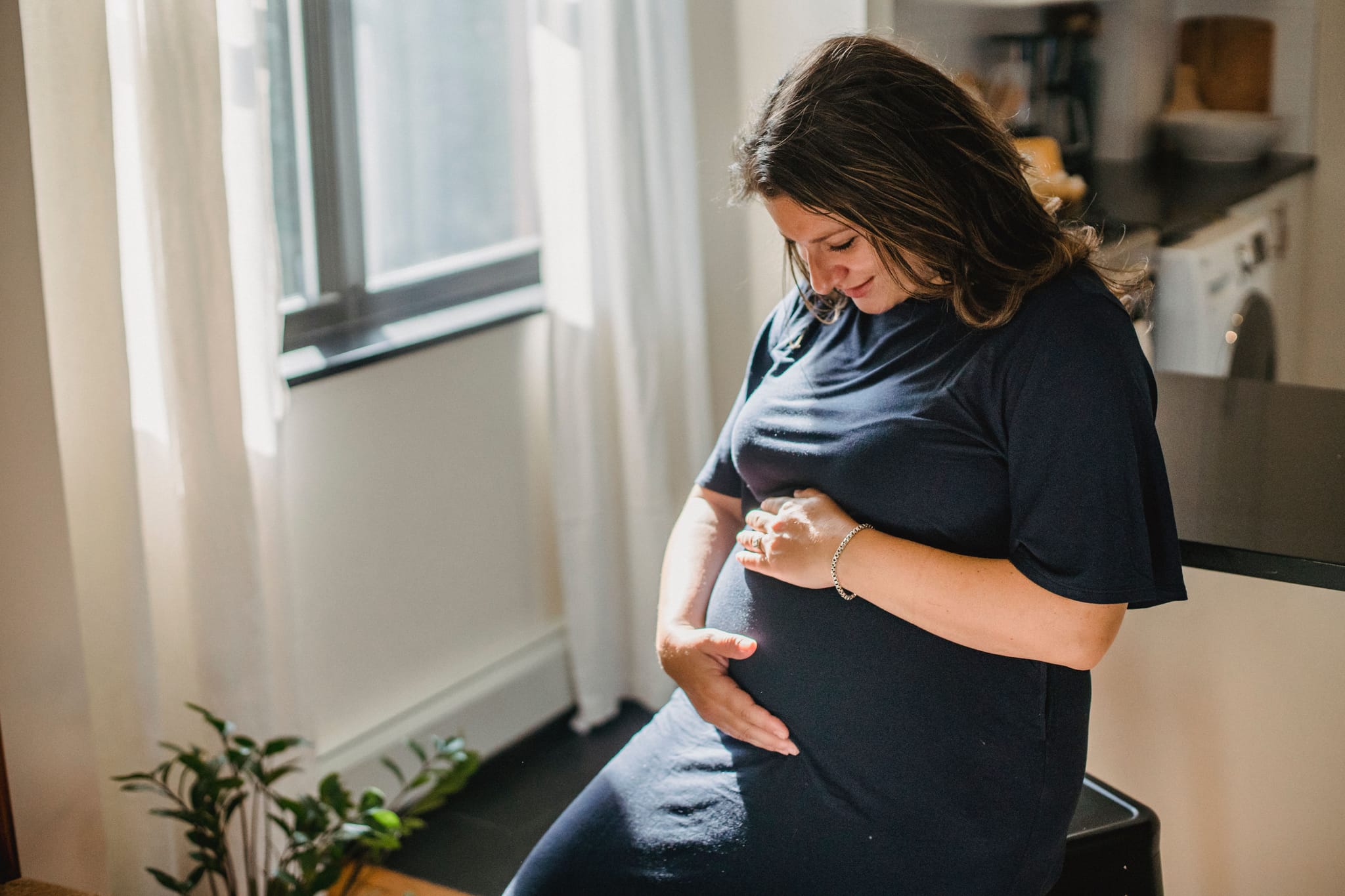
A global disease burden analysis published March 31, 2026 in eClinicalMedicine (The Lancet) estimated that DEHP, a phthalate plasticizer in flexible PVC, was responsible for approximately 1 in 11 preterm births worldwide in 2018. The same study attributed 74,000 newborn deaths to DEHP exposure that year. DiNP — the compound most commonly substituted for DEHP after its restriction in children's toys — carried a near-equivalent estimated burden. Study published
The source
"Preterm birth attributable to exposure to chemicals used in plastic materials: a global estimate," Hyman, Acevedo, and Trasande, NYU Grossman School of Medicine, eClinicalMedicine (The Lancet), March 31, 2026. The analysis applied published exposure-response relationships to biomonitoring data from 200 countries. Read the study.
1 in 11
preterm births globally
attributable to DEHP, 2018 estimate
74,000
newborn deaths
estimated from DEHP exposure in 2018
200
countries
in the biomonitoring dataset
What it actually means
Phthalate exposure has been associated with adverse birth outcomes for over a decade. What this study adds is global scope and a specific number. The burden falls unevenly — the Middle East and South Asia account for 54% of estimated illness, Africa for 26%, partly reflecting higher DEHP exposure through food contact materials in those regions.
DEHP is restricted in the EU and banned in U.S. children's toys, but remains legal in food packaging and most consumer goods globally. DiNP, widely adopted as a replacement, carries a comparable estimated burden in this analysis.
In the home
The primary dietary route is food contact with flexible PVC: plastic wrap, soft PVC food storage bags, and the linings of some canned goods. Heat accelerates migration — microwaving in plastic causes plasticizers to leach into food at measurable rates. The American Academy of Pediatrics has, since 2018, specifically advised against microwaving in plastic for infants and young children.
Beyond food contact, phthalates appear as fragrance stabilizers in personal care products and in vinyl flooring, shower curtains, and mattress covers. For households with infants, vinyl bibs, PVC-backed bath mats, and plastic food pouches are direct swap candidates.
What to do
Glass or stainless containers for food storage, fragrance-free or certified-organic personal care, and avoiding soft PVC in skin- and food-contact items covers most of the reduction here. For infant textiles and clothing, GOTS certified and OEKO-TEX STANDARD 100 are the filter to apply. If you're shopping right now, the product directory is filtered against the criteria this study calls out.
Cover image: Meat wrapped in cling film, Nicholas Five via Wikimedia Commons (CC BY-SA 4.0) — source.