A 2025 scientific review found that microplastics and nanoplastics — the tiny plastic fragments now documented in household dust, food, and indoor air — may disrupt mitochondrial function at the cellular level, potentially accelerating the biological process of aging. The finding reframes a familiar environmental story: the highest-concentration exposure environment for most people is not the ocean or the landfill. It is their home. Review published
The source
The review was published in Food and Chemical Toxicology (Elsevier, 2025). Researchers synthesized accumulated evidence on how microplastics and nanoplastics interact with human cell biology, focusing specifically on mitochondria — the organelles that generate cellular energy and regulate how cells age and respond to stress. Read the study.
What it actually means
Mitochondria do more than produce energy. They regulate how cells manage stress, repair damage, and age. When mitochondrial function degrades, cells accumulate damage more quickly — raising the background risk for heart disease, cognitive decline, and metabolic dysfunction. That's the chain this review traces: chronic microplastic exposure → mitochondrial disruption → accelerated cellular aging.
The particles enter the body through three routes simultaneously: eating food or water that has contacted plastic, breathing air that contains microplastic fibers and fragments, and skin contact. The concern is not any single exposure event — it's the chronic, overlapping accumulation across all three.
We know that they are there and are transported throughout the body, but we don't know yet if they can cross the blood-brain barrier.
That last question is unresolved and consequential. Separate research in mice found microplastics reducing blood flow to the brain. Inhaling microplastics has been associated with a spectrum of respiratory disorders in additional studies. The full picture is still forming, but the direction of the evidence is consistent.
In the home
Your home is not a refuge from microplastic exposure — it is often a higher-concentration environment than outdoor air. The reason is almost entirely synthetic textiles.
Polyester, nylon, and acrylic fabrics are the dominant indoor microplastic source. These materials shed microfibers continuously — during normal use, washing, and even just existing in a room. Every room in the typical home is a source: polyester bedding sheds while you sleep, synthetic rugs shed underfoot all day, polyester curtains shed with every air current, upholstered furniture covered in microfiber or nylon sheds with every use, and synthetic clothing sheds onto your skin and into surrounding air throughout the day.
A single polyester fleece garment releases hundreds of thousands of fibers per wash cycle — many of which pass through standard dryer filters and recirculate back into indoor breathing air. Year over year, the cumulative load in settled household dust is substantial.
Worn plastic surfaces and vinyl flooring contribute particles as secondary sources. But the dominant exposure environment for most people is the bedroom and living room, not the kitchen.
Children and infants are disproportionately exposed. They breathe closer to floor level, spend more time on carpets and synthetic rugs, and have lower body weight relative to their contact surface area.
What to do
The core move is to replace synthetic textiles throughout the home with organic, natural-fiber alternatives. This addresses both the household dust route and the laundry route at once — and it's permanent. Done once, it changes the baseline load in your home for years.
Bedding. Polyester sheets, microfiber comforters, and synthetic blankets are against your body for 7–8 hours every night. Replace with GOTS certified or OEKO-TEX STANDARD 100 organic cotton, linen, or wool. These shed dramatically fewer fibers and carry no synthetic polymer residue.
Towels. Polyester-blend and microfiber towels shed fibers directly onto skin and into bathroom air. Organic cotton or linen towels — GOTS certified — are a simple, durable swap.
Rugs and carpets. Wall-to-wall synthetic carpet and polyester area rugs are among the highest-shedding surfaces in the home, amplified by foot traffic and air movement. Natural fiber alternatives — wool, jute, sisal, organic cotton — shed organic particulates rather than polymer fragments.
Curtains. Polyester and synthetic blackout panels shed with every breeze. Natural linen or organic cotton window treatments are a direct replacement.
Clothing. Polyester, acrylic, and nylon garments shed throughout the day — onto skin, into bedding, and onto furniture. Organic cotton, linen, merino wool, and hemp shed plant-based fibers that behave differently in the body than synthetic polymer fragments. Prioritize what you wear closest to skin: underwear, base layers, sleepwear.
Upholstered furniture. When replacing furniture, look for natural-fiber upholstery — wool, linen, organic cotton — rather than polyester microfiber, nylon, or "performance fabric." For existing pieces, a tightly woven natural-fiber slipcover meaningfully reduces shedding.
Once textiles are addressed, the secondary steps compound the reduction further:
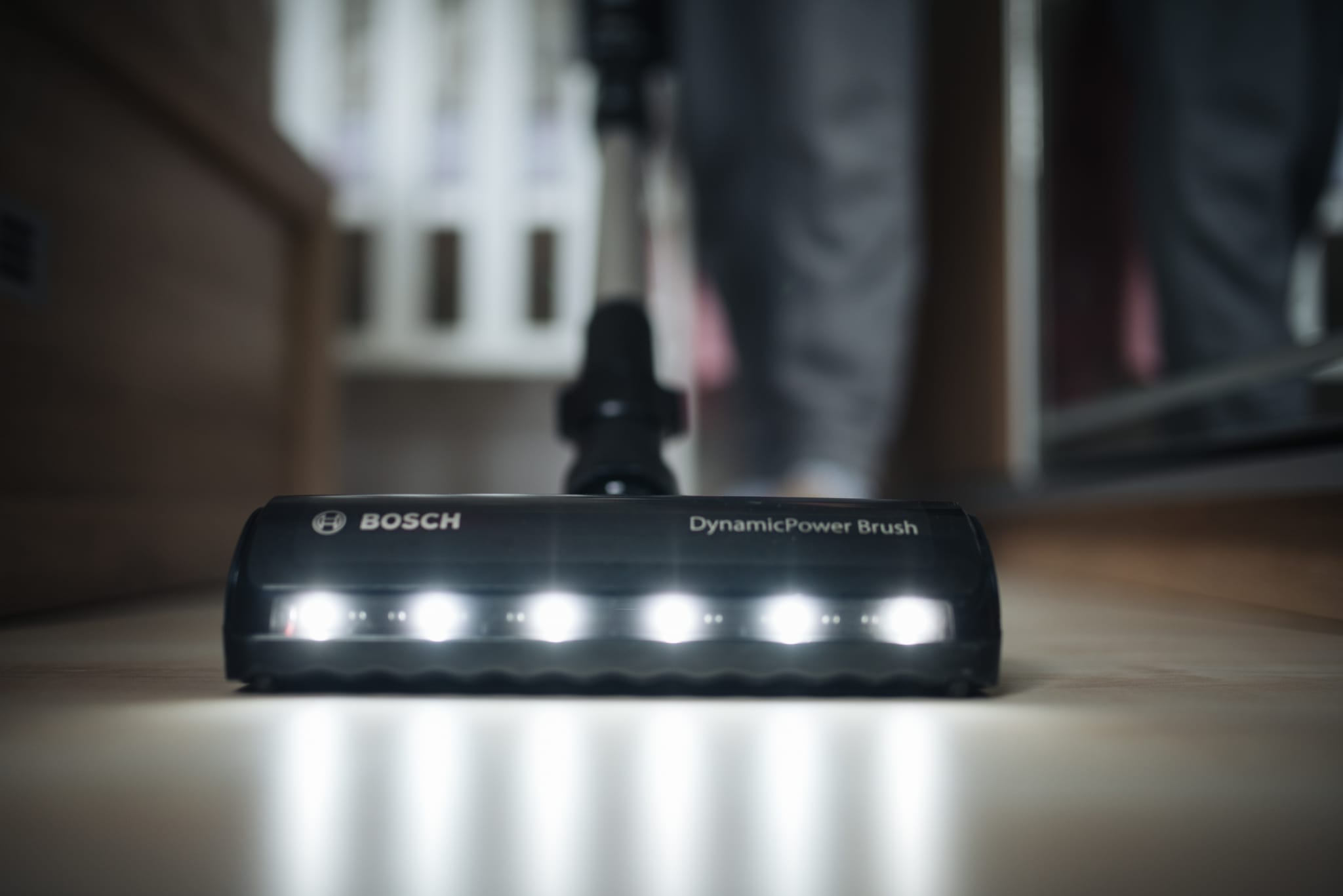
Vacuum with a HEPA filter. Standard vacuums recirculate fine microplastic fragments back into air. HEPA-filtered vacuums trap particles down to 0.3 microns.
Damp-mop hard floors rather than dry sweeping. Dry sweeping resuspends settled particles into breathing air.
Ventilate. When outdoor air quality is good, open windows to exchange stale indoor air and dilute particle concentrations.
Swap plastic food-contact surfaces. Wood or bamboo cutting boards, glass or stainless food storage, and non-plastic utensils reduce both kitchen dust contribution and dietary ingestion.
If you're shopping right now, the product directory is filtered against the criteria this study calls out.
Cover image: Shixart1985 via Wikimedia Commons (CC BY 2.0) — source.