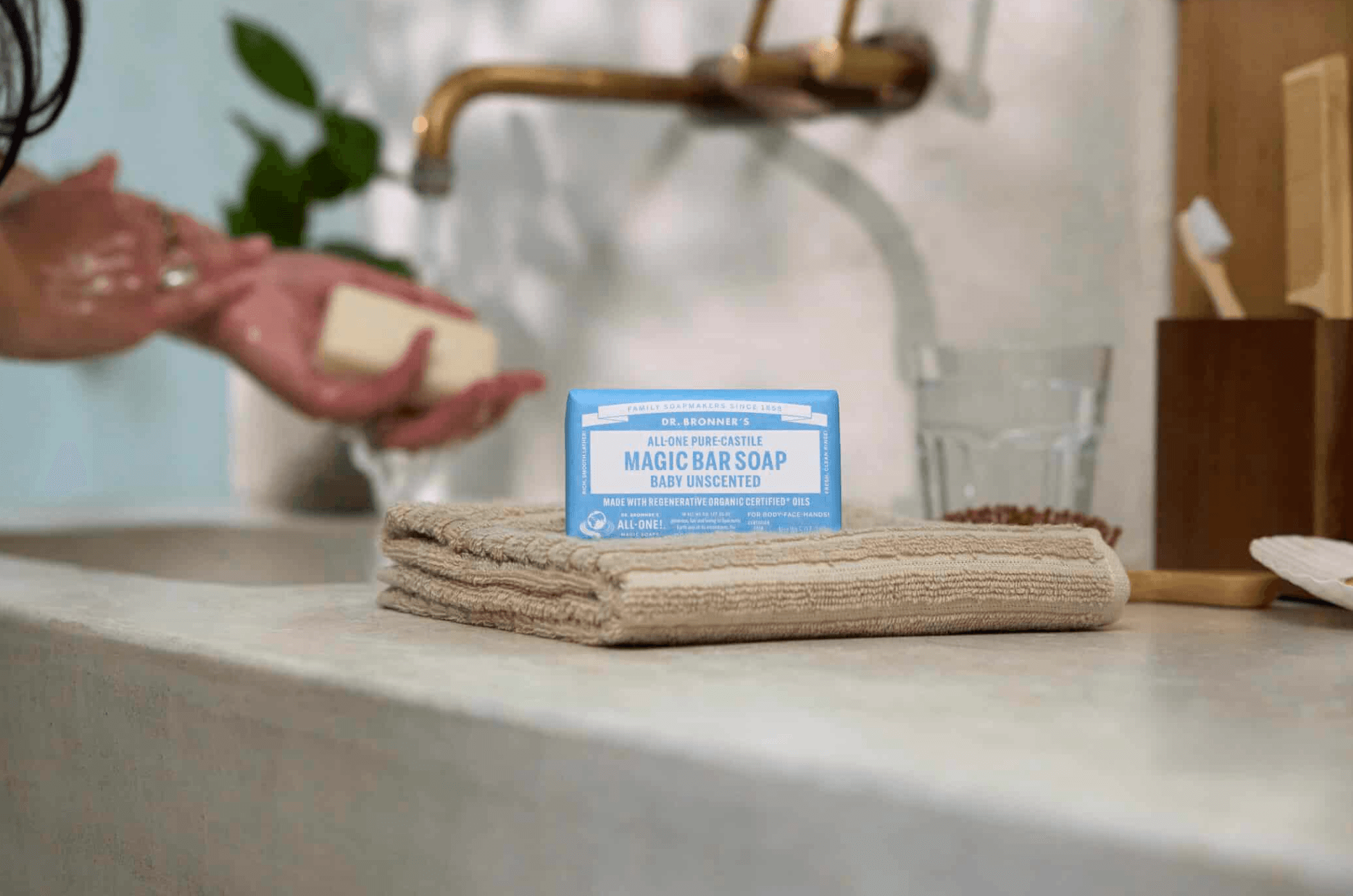
A major peer-reviewed study published August 11, 2026 in Environment & Health tested 113 personal care and cleaning products across 12 categories and found that 98% contained at least one chemical not listed on the label. The findings provide rigorous, published evidence for what ingredient-conscious shoppers have long suspected: labels systematically underreport what is in the bottle.
The study
"Hidden Hazards: Nontargeted Chemical Analysis Reveals Widespread Contaminants and Mislabeling in Personal Care and Cleaning Products," authored by Jenna Hua, PhD MPH, of the Million Marker Research Institute and colleagues, was published in Environment & Health (ACS Publications) on August 11, 2026 (DOI: 10.1021/envhealth.6c00181). The researchers used nontargeted chemical analysis, a method that detects all compounds present in a sample rather than testing only for a pre-specified list.
What the researchers found
Products averaged 51 detected chemical compounds against only 16 listed ingredients, a ratio of more than three to one. Across all 113 products, 303 confirmed or probable chemical compounds were detected, including phthalates, parabens, fragrance allergens, silicone contaminants, BHT, and oxybenzone.
The most striking finding concerns marketing claims. Twenty-five percent of tested products contained chemicals that directly contradicted their labels. Products sold as "natural," "non-toxic," or "phthalate-free" still tested positive for the very compounds those claims promise to exclude. This is the peer-reviewed confirmation of a pattern that baby product marketing researchers have documented for years: what a label promises and what a product contains are frequently different things.
The health stakes are substantial. The researchers connect the detected chemicals to infertility, miscarriage, breast cancer, obesity, diabetes, and endocrine disruption. Eighty-five percent of products contained at least one unlabeled chemical with a known or suspected health hazard. "The label can't protect you when it doesn't show what's really in the bottle," said lead researcher Jenna Hua.
Where these chemicals live in your home
The 12 tested categories span everyday personal care: sunscreens, baby lotions, shampoos, conditioners, body washes, and soaps, alongside household cleaning products. These are products applied to skin and hair daily, often in high quantities and on children.
Baby products are a specific concern. The unlabeled-chemical pattern documented in this study runs through the entire baby care category. Our explainer on what's actually in baby skincare covers which ingredients genuinely require scrutiny and what "clean" claims actually mean.
Deodorant is among the higher-risk personal care categories given its daily application directly to skin. Our non-toxic deodorant guide covers which brands disclose fully and pass the screening criteria this study calls out.
The problem extends beyond personal care. Dish soap and household cleaners and laundry detergents carry unlisted surfactants and preservatives at rates consistent with what this study found across its cleaning product sample.
What to do
The researchers recommend that nontargeted chemical analysis of finished products become standard industry quality control. Until that standard exists, a label alone is not adequate protection for a shopper.
If you are shopping for personal care or cleaning products now, the product directory on this site is filtered against the criteria this study documents, including phthalates, parabens, oxybenzone, undisclosed fragrance, and the other compounds the researchers identified.
Cover image: Federico Garcia via Unsplash (Unsplash License). Source.