A peer-reviewed study published September 19, 2026 in Environment International found that adults with higher serum concentrations of per- and polyfluoroalkyl substances (PFAS) had significantly greater prevalence of heart disease across multiple U.S. study sites.
The study
Phillipson and colleagues analyzed PFAS data from thousands of participants enrolled in the Multi-Site Study, one of the larger population-based epidemiological datasets on PFAS and cardiovascular outcomes assembled in the U.S. The paper is: Phillipson CN, Pavuk M, Jung Y, Villanueva C, et al. "Serum per- and polyfluoroalkyl substances and prevalent heart disease: cross-sectional analysis of the multi-site study." Environment International, available online September 19, 2026.
What the study found
The researchers measured blood concentrations of PFOA, PFOS, PFNA, PFHxS, and other PFAS compounds, then compared heart disease prevalence across exposure quartiles. The association held after adjustment for conventional cardiovascular risk factors including age, body mass index, smoking history, and diabetes status.
The study design is cross-sectional: it captures conditions at a single point in time rather than following participants forward, so it cannot establish that PFAS caused the heart disease observed. The important note on dose: the associations were detected at serum PFAS concentrations common in the general U.S. population, not at the elevated levels seen in occupational exposures or heavily contaminated communities.
How the home connects
PFAS accumulates in the body through repeated, low-level exposure over time, and several of the most consistent sources are in the domestic kitchen. Non-stick cookware using PTFE-based coatings, marketed under dozens of brand names, is a primary contact surface. Grease-resistant food packaging, including microwave popcorn bags, pizza boxes, and takeout containers that feel waxy when dry, is another. Tap water in a significant portion of U.S. municipalities contains PFAS at concentrations above the EPA's 2024 maximum contaminant levels for at least one compound. Stain- and water-repellent treatments on upholstered furniture and carpet add to the cumulative load.
What to do
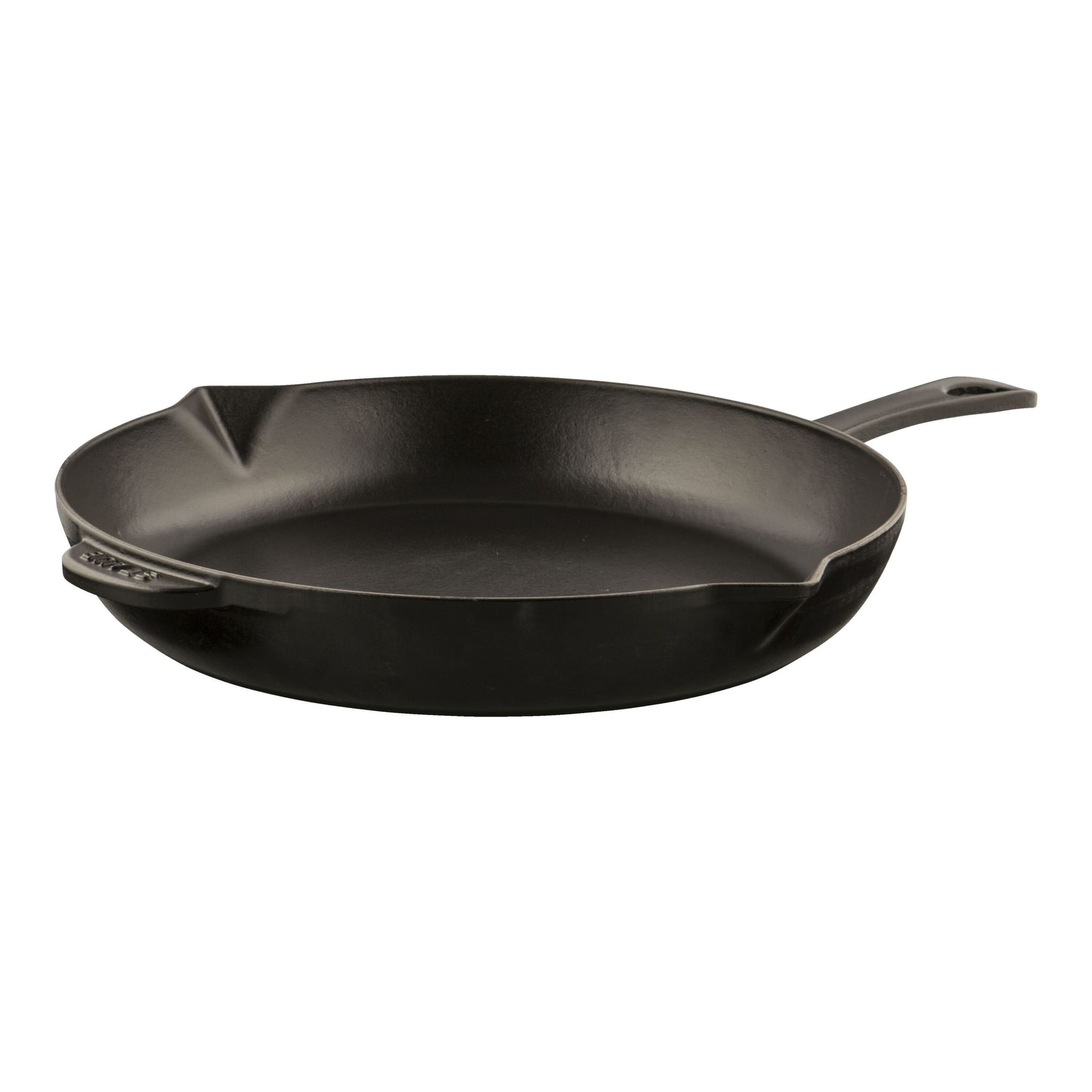
The most direct kitchen swap is replacing non-stick pans with cast iron, carbon steel, or stainless steel: none use PTFE coatings and none are a PFAS source in normal cooking. For water, a filter certified NSF/ANSI 53 or 58 specifically for PFAS reduction handles the tap-water pathway. Choosing food packaging that does not have a waxy or greasy feel addresses a third route. For a full breakdown of what to replace and what to keep, the non-toxic kitchen guide covers each category. If you are shopping right now, the product directory is filtered against the criteria this study calls out.
Cover image: Dương Nhân via Pexels (Pexels License). Source.