A study published in October 2026 found an inverse association between blood concentrations of per- and polyfluoroalkyl substances (PFAS) and serum vitamin D levels in Hispanic children. Children in the highest PFAS quartile had measurably lower levels of 25-hydroxyvitamin D than those in the lowest quartile.
The study
Researchers at George Mason University and UCSF, led by Mohsin, Gerona, Gallo, and colleagues, analyzed PFAS blood concentrations and vitamin D status in a cohort of Hispanic children. Their findings appear in Environmental Research (Volume 307, October 2026).
25-hydroxyvitamin D is the primary circulating form and the standard clinical measure of vitamin D status. The study adds to earlier mechanistic work suggesting PFAS compounds interfere with vitamin D-binding proteins or alter how the liver converts precursors into the active form.
What this means
Vitamin D is not a secondary concern in children. It regulates calcium absorption for bone development, modulates immune response, and supports glucose metabolism. Chronically low levels in childhood are associated with reduced bone density, greater susceptibility to respiratory illness, and early metabolic changes linked to insulin resistance.
PFAS is a class of roughly 15,000 compounds defined by their fluorinated carbon chain. They accumulate in tissue because the carbon-fluorine bond resists biological breakdown. Exposure starts early; cord blood studies consistently detect PFAS in newborns at levels that reflect maternal body burden. What this study adds is a signal: higher cumulative exposure correlates with lower vitamin D in children already in their developmental years.
The study does not establish causation, and the cohort is Hispanic children specifically, so generalizing requires care. But the dose-response pattern across quartiles is consistent and strengthens the plausibility of a real effect.
Where this lives in a household
Children's PFAS exposure comes from multiple sources. Non-stick cookware coated with PTFE releases PFAS during cooking, particularly at high heat or when a pan is scratched. Sol-gel ceramic coatings marketed as non-stick sometimes use fluorinated binders that are not fully disclosed. Stain-resistant and water-repellent treatments on textiles and furniture are additional pathways. Food packaging with grease-barrier coatings is another.
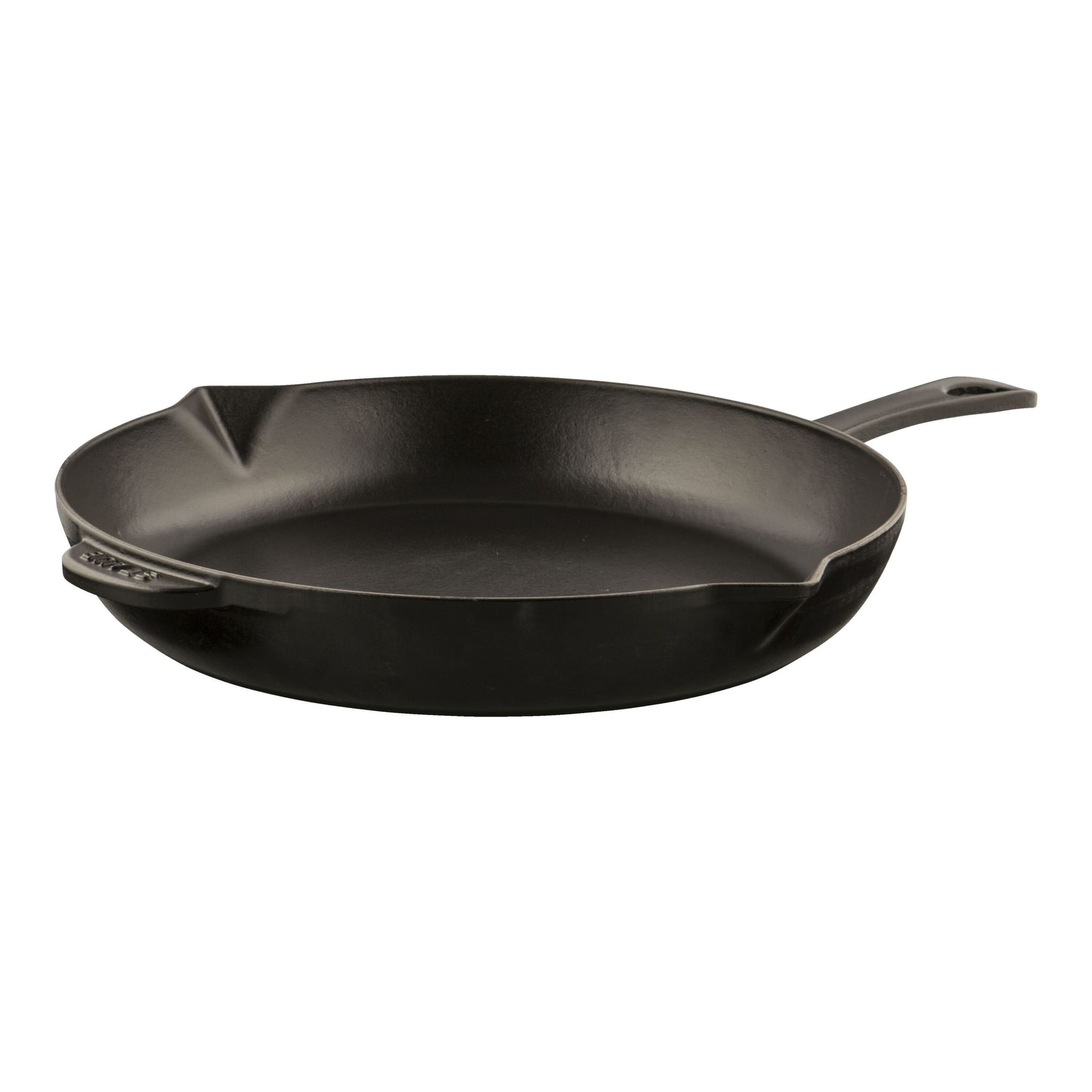
Cookware stands out because it is in contact with food at every meal. Switching to PTFE-free alternatives, including seasoned cast iron, uncoated stainless steel, carbon steel, or enamel-coated cast iron with a disclosed lead-free glaze, eliminates that pathway directly.
What to do
The clearest action is replacing PFAS-coated cookware. If you are shopping for cookware right now, the product directory is filtered against the criteria this study calls out.
Cover image: Sandra Seitamaa via Unsplash (Unsplash License). Source.