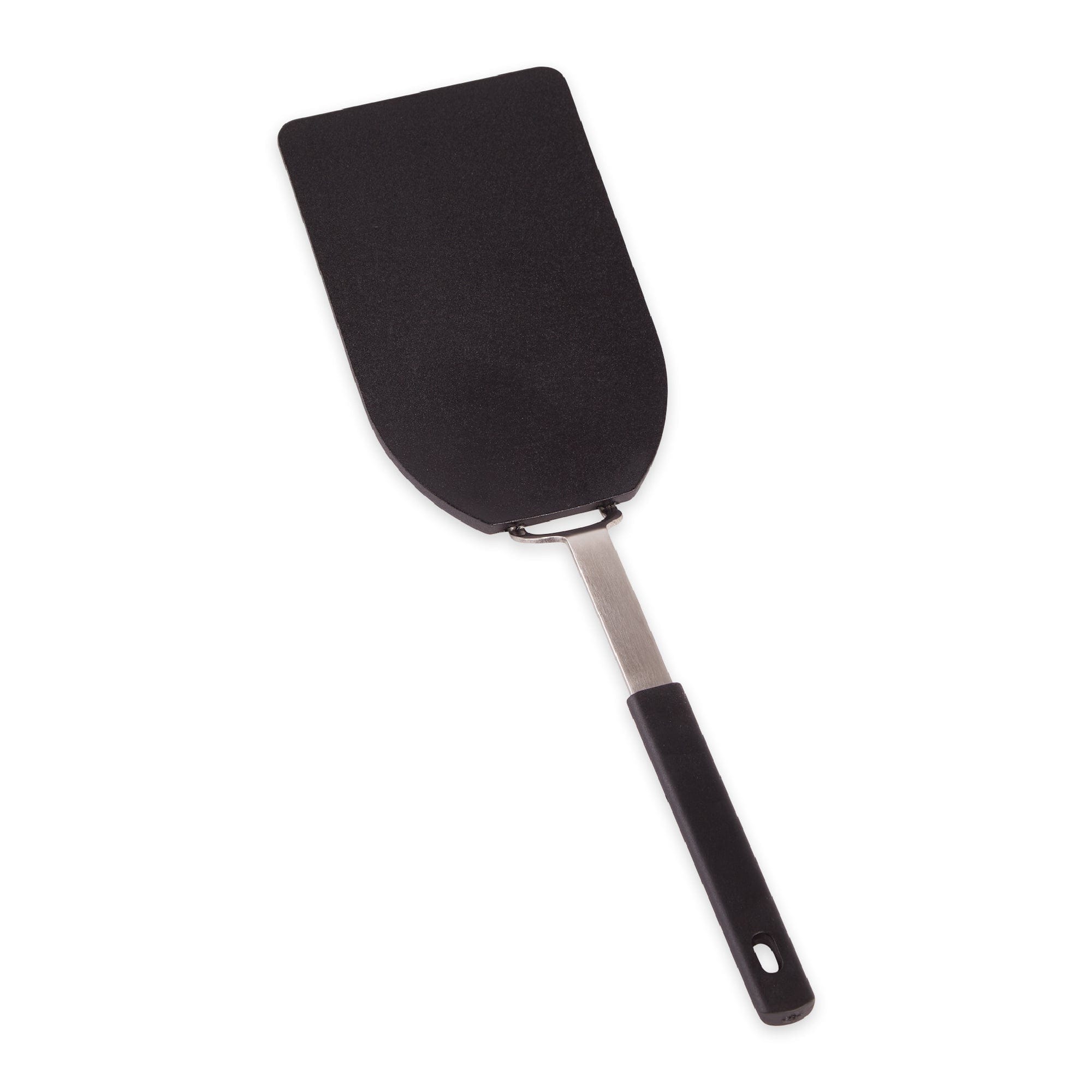
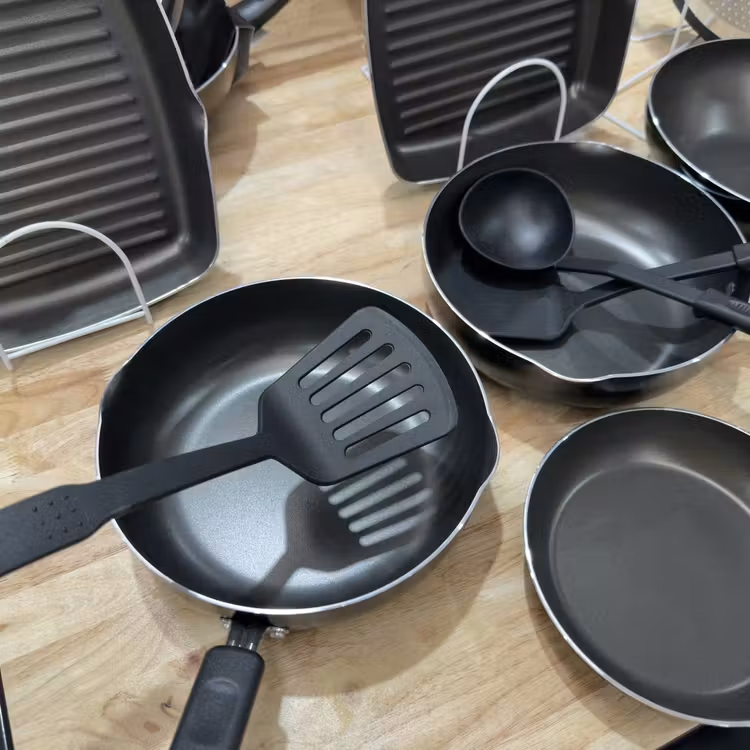
PTFE cooking utensils shed both micro- and nanoscale particles into food under normal use, according to a peer-reviewed study published September 15, 2026. Using a Drosophila in vivo model, researchers showed these particles accumulate in the gut, cross the intestinal barrier, enter circulation, and trigger cellular damage. The finding extends the PTFE contamination question beyond pans to the everyday tools that come into direct, repeated contact with food.
The paper, "Polytetrafluoroethylene utensils as a source of micro- and nanoplastics: Insights from a Drosophila model," was published in Eco-Environment & Health (Elsevier) on September 15, 2026 (online first; print issue December 2026). DOI: 10.1016/j.eehl.2026.100285.
Nanoscale particles produced more severe effects than their microscale counterparts. Up to 2,897 genes showed differential expression in response to the nanoscale fraction, with a core set of 110 genes altered consistently across every treatment condition tested. The downstream signals included oxidative stress, mitochondrial membrane depolarization, and DNA damage. Drosophila is a well-validated in vivo toxicology system with well-mapped molecular pathways; these are not cell-line results. The biological effects are real and reproducible in a living organism, even if the precise dose-response curve in humans requires further study.
One variable that matters: surface condition. A scratched or visibly worn PTFE utensil sheds more particles than a smooth, intact one. That is a concrete consideration when deciding whether a spatula that has seen years of mechanical use should remain in your kitchen.
Most public attention to PTFE has focused on non-stick cookware, but the coating is applied to spatulas, mixing spoons, ladles, tongs, and other utensils that contact food at heat. During cooking, these tools often drag, scrape, or stir against a pan surface directly, generating the kind of mechanical friction the researchers identified as a driver of particle shedding. This study examined utensils specifically, under conditions representative of normal cooking, and found shedding at both size classes. A household with PTFE pans and PTFE utensils has two exposure sources where most people are aware of only one.
Switching to wood, stainless steel, or food-grade platinum-cured silicone eliminates this exposure route entirely. The non-toxic cooking utensils guide and the product directory are filtered against PFAS and the criteria this study raises.
Cover image: Margo Evardson via Unsplash (Unsplash License). Source.