Why it matters now
The snug-fit path for children's sleepwear compliance is cleaner than most parents realize. CPSC allows two routes to the flammability standard for sizes 9 months through 14 years: chemical flame-retardant treatment or tight-fitting garments that self-extinguish. Every pick in this guide uses the snug-fit path or the infant exemption for sub-9M sizes. None carries a chemical flame-retardant treatment of any kind.
What separates the picks below is not the snug-fit label (every footie sold in the U.S. has one) but what is in the fiber and what was done to it before it reached the package.
What the regulations actually say
The CPSC requires children's sleepwear in sizes 9 months through 14 years to meet a flammability standard. Two compliance paths exist.
The FR-treatment path: apply chemical flame retardants to the fabric. This approach dates to the 1970s and has cycled through PBDE compounds, antimony-based treatments, and organophosphates as each prior generation was flagged for health concerns.
The snug-fit path: make the garment tight-fitting enough that it self-extinguishes. CPSC defines precise dimensional limits; a garment that fits close to the body provides much less oxygen to support combustion. These garments carry the label "WEAR SNUG-FITTING, NOT FLAME RESISTANT." No chemical treatment is required or used.
Infant exemption: sizes 9 months and under (0-3M, 3-6M, 6-9M) are exempt from the flammability standard entirely, provided the garments meet dimensional limits that prevent excess fabric.
What we look for
Any children's sleepwear must either be flame resistant or sized for a snug fit.
Certification scope. GOTS (Global Organic Textile Standard) certifies both the fiber and the dyeing and finishing chain: organic cotton from farms without synthetic pesticides, processed at mills meeting limits on auxiliaries, dyes, and wastewater treatment. OEKO-TEX Standard 100 certifies the finished garment for residual chemicals at defined limits. It does not certify farming practices, but it tests for over 100 substances in the final product. Both are credible. GOTS has broader supply-chain scope; OEKO-TEX has more granular finished-product residue testing. This guide includes both.
Organic cotton vs merino wool vs bamboo. Organic cotton is the standard here: low-VOC farming, soft, durable, machine washable. Merino wool is the outlier worth knowing: it self-regulates temperature across a wider ambient range than cotton, so a single layer handles more varied room temperatures. Bamboo-derived rayon is softer than most cotton weaves and gentler on reactive skin, though the fiber-to-fabric conversion is chemical-intensive; OEKO-TEX certification on the finished garment is the residual-chemical assurance that matters here.
No polyester or nylon. Even at low blend percentages, synthetic fibers in primary sleep-surface garments are a disqualifier on this site. Small spandex percentages (1-5%) added for stretch are distinct from polyester as a primary fiber.
No chemical flame retardants. PBDE, chlorinated tris (TDCPP), brominated compounds, antimony trioxide, boric acid: all disqualifiers. Check the label. Snug-fit labels read: "Snug-fitting. Not flame resistant." If the label mentions flame resistance, the garment was treated.
Material disclosure must be public. Every product on this list has fiber content and certification information on its Amazon listing or brand product page. Brands that list "proprietary fabric blend" without naming the fiber are excluded.
Our picks
1. Burt's Bees Baby Snug Fit Organic Cotton Footie: Best overall

The Burt's Bees Baby Snug Fit Footie is the most accessible GOTS-certified footie available. GOTS certification covers fiber, dyeing auxiliaries, and finishing, and is verifiable through the Global Organic Textile Standard registry. At $18.95, it costs less than half the Woolino option and is stocked at Target, Amazon, and Walmart, which matters when a replacement is needed quickly.
The zipper runs front from ankle to chin, with a fold-over cuff to protect against scratch. Flat seams reduce pressure points on newborn skin. Available in newborn through 24M in solid colors and prints.
The tradeoff at this price point is fabric weight: it is a lighter knit than the L'ovedbaby or Woolino options and performs better in temperate rooms than cold ones. Layer over a long-sleeve onesie if the nursery drops below 68 degrees.
2. Woolino Merino Wool Baby Footie Pajamas: Best for temperature regulation
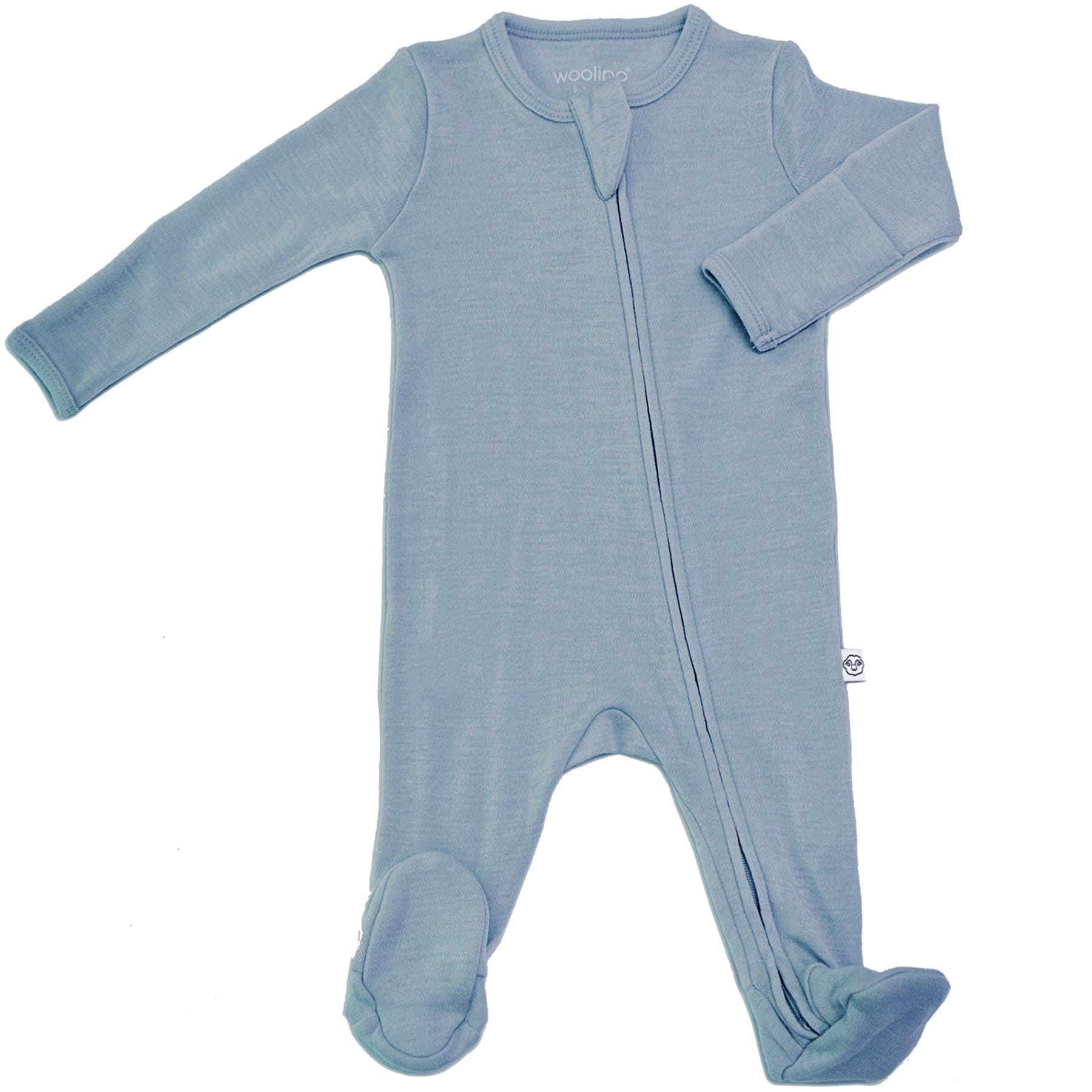
The Woolino Merino Wool Footie is the only wool option in this guide. The case for it is practical: merino wool regulates body temperature across a wider ambient range than cotton, so the same garment works in a 68-degree nursery and a 74-degree one without additional layering. OEKO-TEX Standard 100 certification is on the finished garment, testing for residual chemicals including pesticides, heavy metals, and restricted dyes.
The size range covers 2 months through 2 years, which means fewer size purchases over the first two years. Wool is naturally odor-resistant and wicks moisture, so it performs well across multi-night use between washes. At $50, it is the highest price in this guide. Machine wash cold, lay flat to dry.
3. L'ovedbaby 2-Way Zipper Footie: Best for nighttime changes
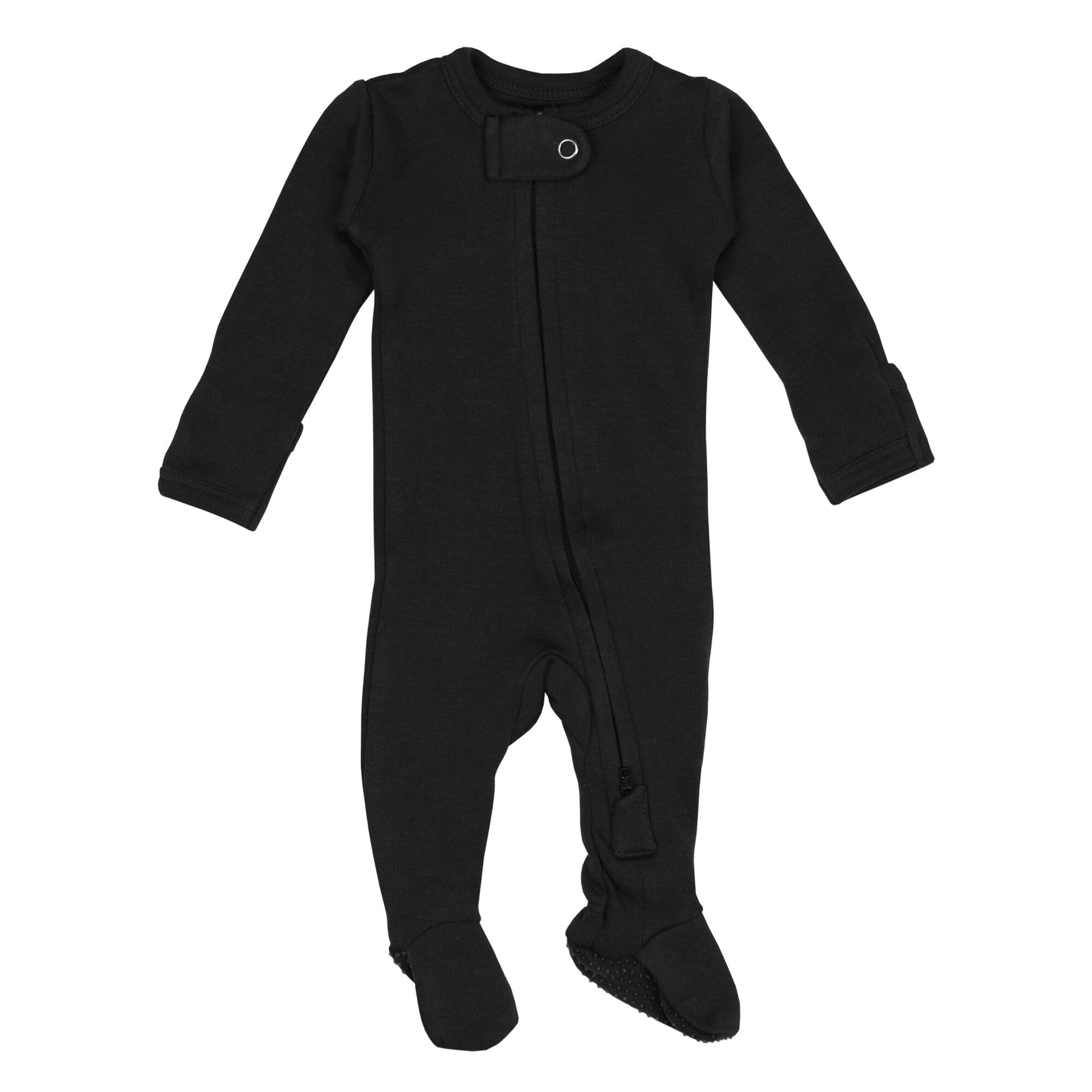
The L'ovedbaby 2-Way Zipper Footie uses GOTS-certified organic cotton and a zipper that opens from either end: top-down for dressing, bottom-up for diaper changes. The two-way mechanism is more useful at 3 a.m. than it sounds during the day.
The stretch-knit ribbing is heavier than the Burt's Bees option and holds its shape better through more wash cycles. GOTS certification covers both fiber and processing, meaning dyeing and finishing auxiliaries were also screened. Available in preemie through 12M, with multiple color options.
4. Kyte Baby Dual Zipper Footie: Best for sensitive skin
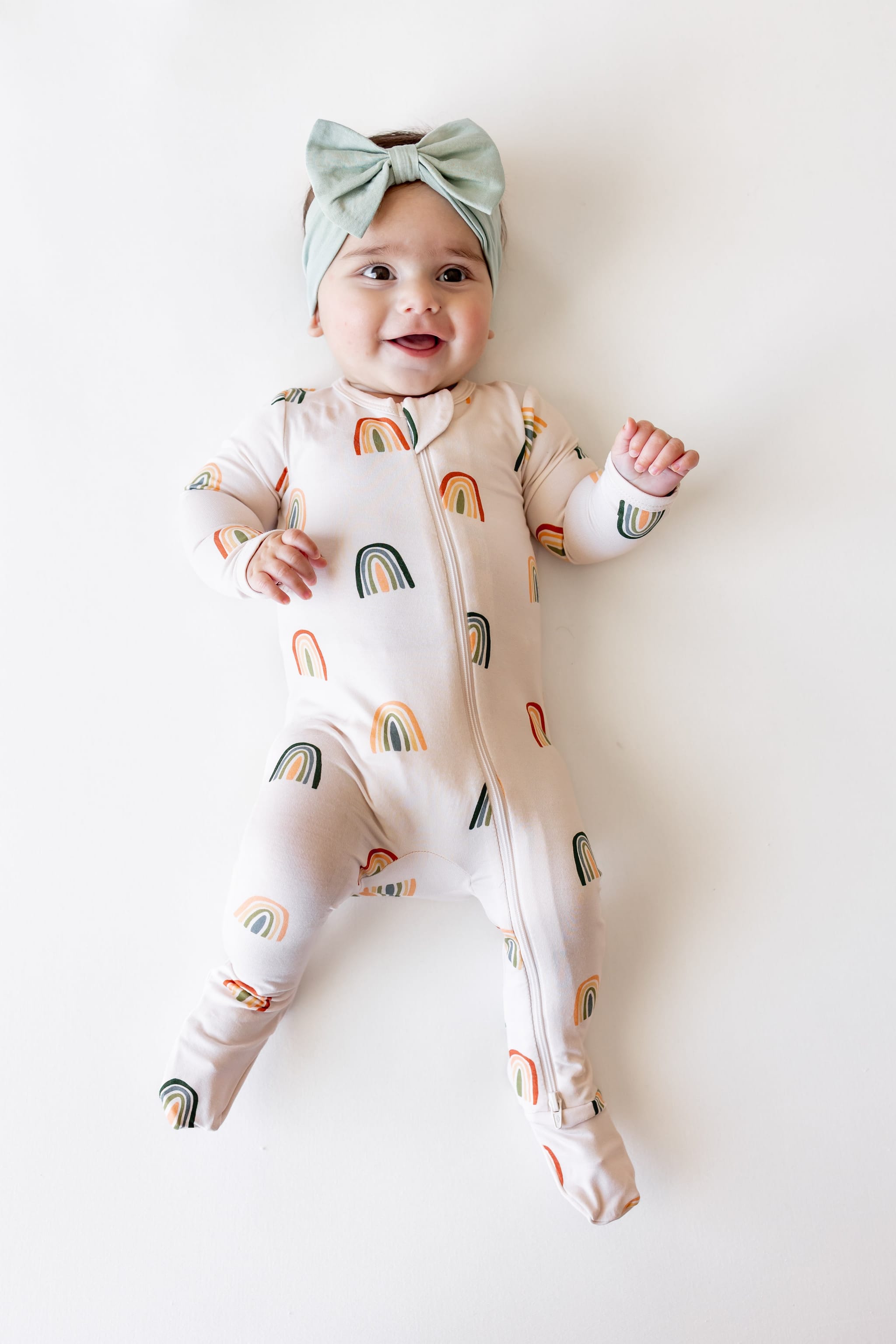
The Kyte Baby Dual Zipper Footie is made from bamboo-derived rayon certified to OEKO-TEX Standard 100. Bamboo rayon is generally softer than organic cotton and carries lower risk of mechanical irritation for reactive or eczema-prone skin.
The dual zipper opens from both ends, similar to the L'ovedbaby footie. At $38, it sits between the Burt's Bees and L'ovedbaby options. Kyte Baby states no flame-retardant treatments on any garment in the line. Available in sizes 0-3M through 36M. The bamboo-to-rayon conversion is a chemical-intensive process, but OEKO-TEX Standard 100 tests residuals in the finished product rather than the process itself.
5. Under the Nile Organic Cotton Snap Front Footie: Best snap-front option
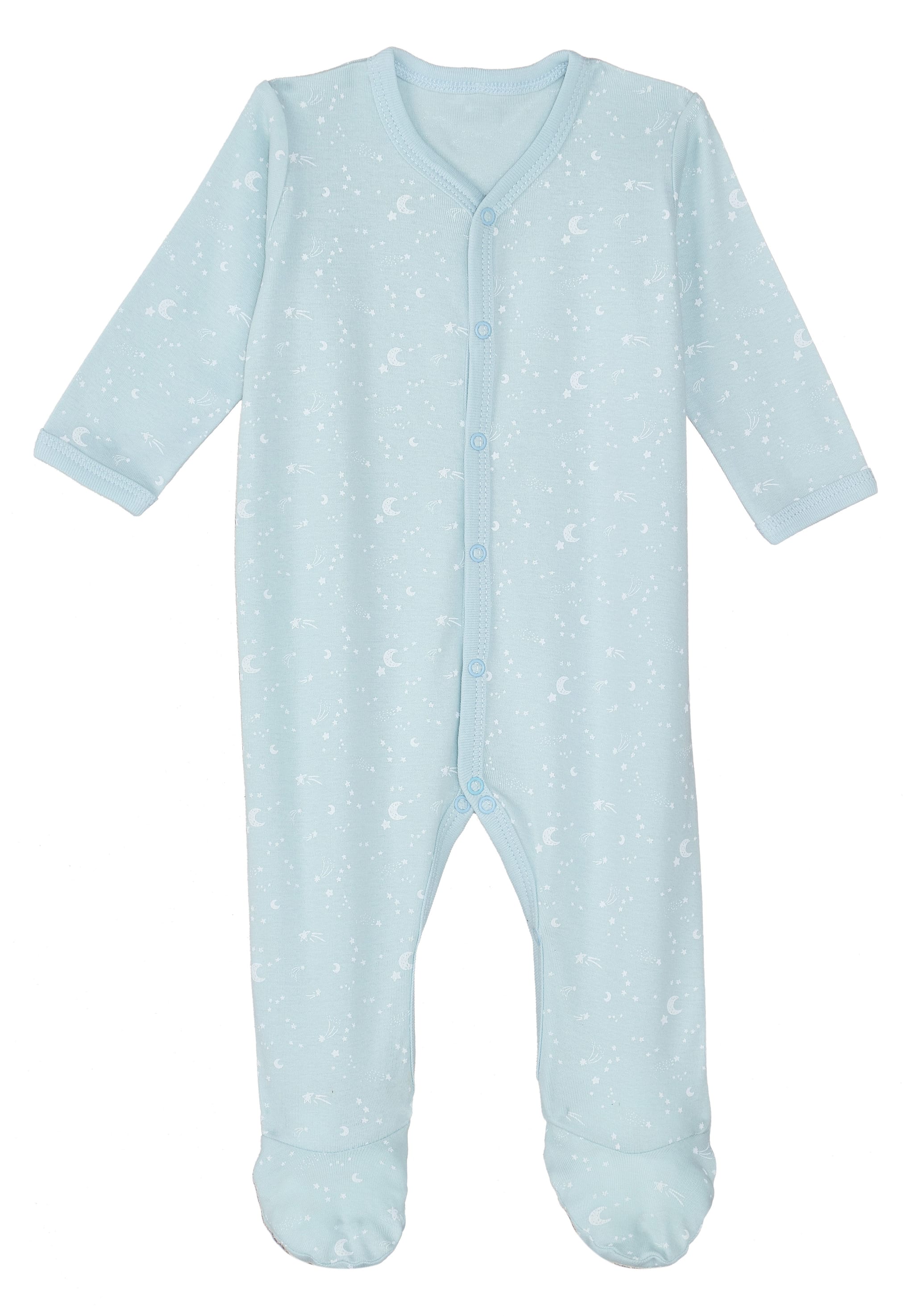
The Under the Nile Snap Front Footie is the only snap-closure option in this guide. Snaps are slower for nighttime changes than zippers, but they eliminate any zipper tab pressing against the baby's skin during sleep. The cotton is GOTS-certified long-staple Egyptian cotton, a longer-fiber variety that produces a softer knit than most domestic cotton.
At $26, it competes on price with the Touched by Nature option while offering GOTS-scope certification (fiber and processing chain) rather than just finished-product testing. The primary stocked size at Amazon is 0-3M; availability in larger sizes varies. Under the Nile publishes lot-level cotton sourcing documentation on its site.
6. Touched by Nature Organic Cotton Tight-Fit PJ Set: Best budget option
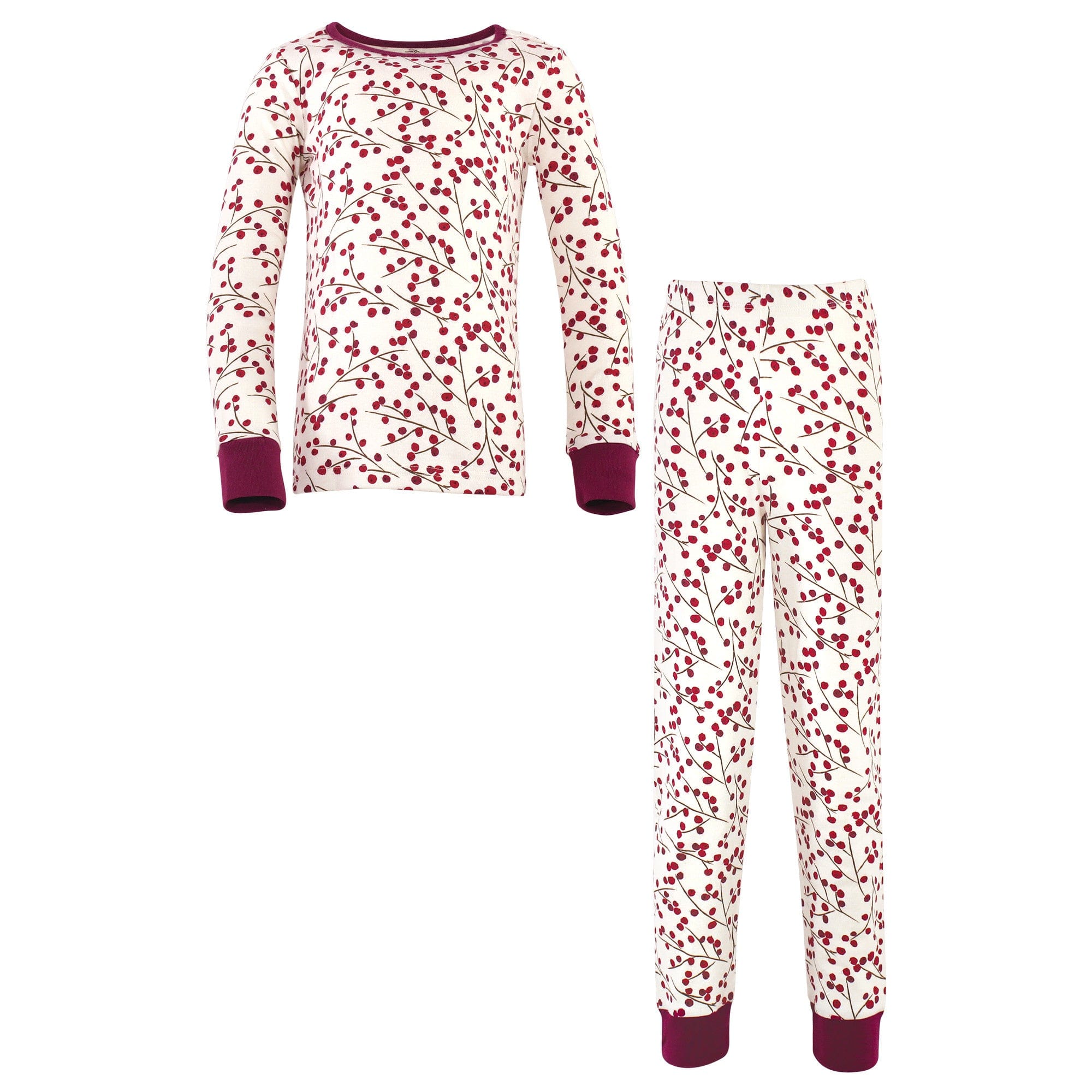
The Touched by Nature Tight-Fit PJ Set is the lowest-priced certified option in this guide at $7.64. OEKO-TEX Standard 100 certification tests the finished garment for over 100 restricted substances, covering residual chemicals from processing even on organically-grown fiber. Sized newborn through 24M.
The two-piece set (long-sleeve shirt and pants) fits slightly less snug than dedicated footie styles. If choosing between sizes, size down. Available in color packs, which lowers the per-unit cost further when buying multiples.
What we passed on
Colored Organics makes GOTS-certified baby footies in a range of solid colors. At the time of this research, the sleepwear line was listed as sold out across the brand's website. We will revisit when stock returns.
Finn + Emma previously offered GOTS-certified organic cotton footies. The brand's current product mix has shifted primarily toward muslin goods and non-sleepwear apparel; the footie line is no longer reliably in stock across major retailers.
Caring for organic cotton sleepwear
Organic cotton holds up well to machine washing but responds better to cold water and shorter cycles than to hot water and extended tumble drying. High heat shrinks the fabric and degrades elastic over time. Line drying or tumble dry low extends the garment's useful life.
For merino wool (the Woolino), lay flat to dry rather than hanging: hanging stretches the knit under its own weight. Avoid fabric softeners and dryer sheets, which deposit a residue on fibers that reduces natural breathability.
Cover image: via Unsplash (Unsplash License) -- source.