
On November 3, 2026, researchers at Babes-Bolyai University in Romania published a method for counting plastic nanoparticles in commercial bottled water, and the numbers are specific: approximately 34.5 million PET nanoplastic particles per liter, or about 17.25 million per standard 0.5-liter bottle.
The study
"SERS of Bottled Water: Automated PET Nanoplastic Detection and Quantification," by Nesterovschi et al., appears in Analytical Chemistry (vol. 98, no. 43, November 2026). The team at Babes-Bolyai University used surface-enhanced Raman spectroscopy (SERS) paired with colloidal silver nanoparticles and a Python-based Pearson correlation classifier to detect and count PET particles in bottled water samples, without digestion or extraction steps. Scanning electron microscopy with energy-dispersive X-ray analysis (SEM-EDX) confirmed carbon-oxygen particles consistent with PET's chemical composition.
Their concentration estimate (34.5 ± 3.2 million particles/L) is consistent with independent measurements from nanoparticle tracking analysis and stimulated Raman scattering methods applied to comparable samples.
What else was in the bottles
Beyond PET, the same samples contained phthalocyanine pigment nanoparticles, which the researchers attributed to colorants used in bottle packaging. The study also identified inorganic residues: calcite, gypsum, and sodium nitrate. Phthalocyanines are synthetic pigments used in plastics, inks, and coatings; their presence as nanoparticles in drinking water is a currently uncharacterized exposure.
The study does not test for health effects from these materials at these concentrations. Human toxicology data for sub-micron PET particles remains limited. What it does establish is that PET bottles are a consistent, measurable source of nanoplastic and pigment nanoparticle intake with every serving.
Where PET shows up at home
PET, identified by the recycling symbol #1, is the dominant plastic in disposable single-use water bottles and many single-use beverage containers. If you buy bottled water regularly for home hydration, the particle count adds up with each bottle consumed. If you refill a PET water bottle from the tap, the nanoplastic contribution is roughly the same per fill.
Filtered tap water stored in glass or stainless steel introduces essentially no nanoplastic load from the vessel itself. The particles measured in this study come from the packaging, not the water.
What to do
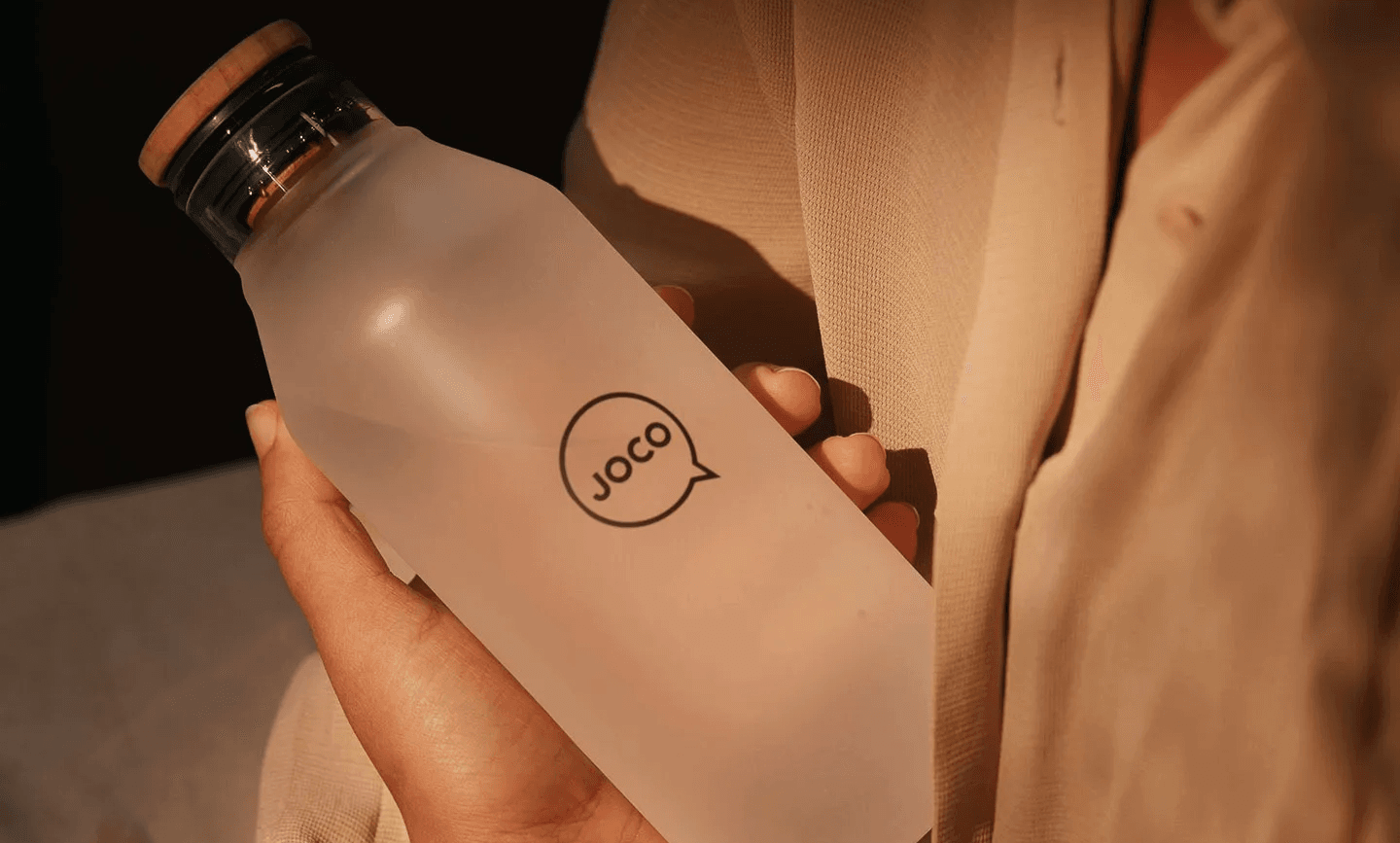
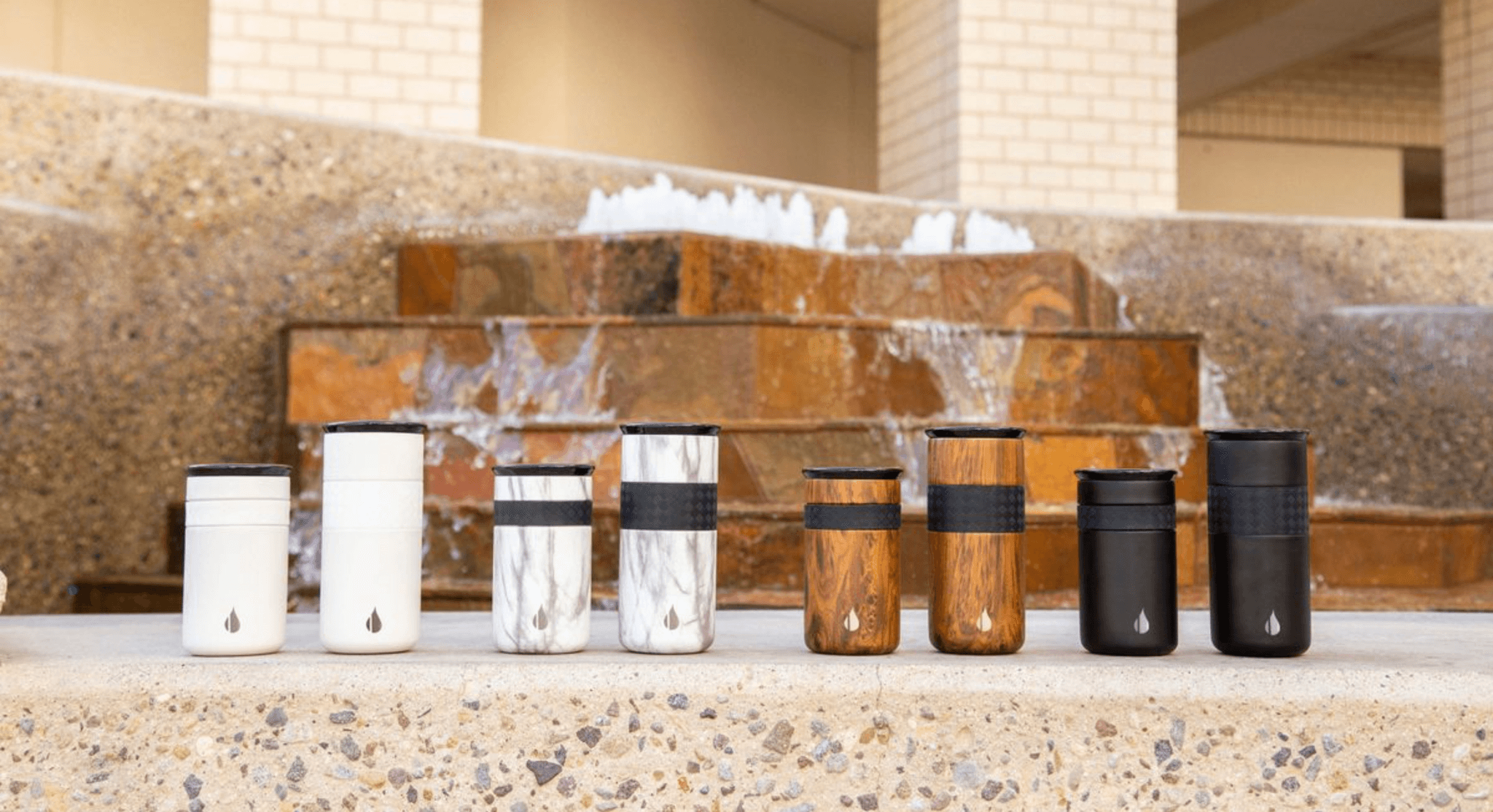
Switching the vessel is the most direct response. Glass and stainless steel water bottles introduce no plastic into the liquid path; a glass or stainless container filled from a filtered tap delivers the same hydration with no measurable nanoplastic contribution from the container. For vetted options filtered against the criteria this research calls attention to, Nontoxic Nook's guide to non-toxic water bottles covers the category.
Cover image: Shixart1985 via Wikimedia Commons (CC BY 2.0), source.