
Most interior paints contain acrylic resins, biocidal preservatives, glycol solvents, and undisclosed fragrance carriers. These ingredients off-gas after application; glycol ethers remain measurable in indoor air for weeks after painting. Conventional paint chemistry has not changed significantly since the 1970s. Mineral paints, limewashes, and linseed oil finishes predate synthetics by centuries and are now the strongest non-toxic option for interior walls.
What we look for
VOC content alone is not the full picture. A paint certified at zero VOC under the federal threshold (50 g/L for flat finishes, 150 g/L for non-flat) can still contain glycol ether co-solvents, biocidal preservatives that volatilize after application, or formaldehyde-releasing thickeners. We screen for all of these, not just the headline VOC number.
The binder matters more than the label. Acrylic emulsions are the most common interior paint binder. They require synthetic biocides (often isothiazolinone compounds) to prevent microbial growth in the wet can, and they off-gas residual monomer and plasticizer as the film cures. Potassium silicate and lime binders do not use synthetic preservatives because their high pH is naturally antimicrobial. Linseed oil polymerizes through oxidation without forming a film of synthetic polymer.
Biocide disclosure is a specific disqualifier. Most acrylic paints contain in-can preservatives (MIT, BIT, IPBC) that are classified as sensitizers or worse. Many zero-VOC acrylics also carry biocide treatments. We exclude any product that uses these compounds or fails to disclose its preservative chemistry entirely.
Heavy metals in pigments. Conventional paint pigments historically used cadmium, lead chromate, and antimony compounds for opacity and color depth. Modern mineral paints use earth oxide and mineral pigments that do not require these inputs. We verify that each pick's pigment system relies on iron oxides, titanium dioxide, and natural mineral colorants.
Certifications to look for. GreenSeal GS-11 and MAS Certified Green set independent limits on VOCs and listed ingredients. GREENGUARD Gold (UL Environment) requires testing across 360+ VOC compounds and more than 10,000 individual chemicals at room conditions. Cradle to Cradle assesses full material health including downstream disposal. None of these certifications alone is sufficient: a GREENGUARD Gold paint can still contain biocides within the certification limits. Treat certifications as strong corroborating evidence alongside ingredient disclosure.
Room-specific considerations. Nurseries need the most conservative chemistry because infants spend the most time in close contact with indoor air; GREENGUARD Gold is the minimum for a child's room. Bathrooms require moisture resistance without synthetic sealants or PFAS-based water repellent treatments; a burnished lime plaster or a potassium silicate paint handles both. Kitchens and high-traffic areas benefit from a hardened mineral surface that is more scrubbable than an acrylic flat.
Our picks
1. KEIM Innostar Interior Mineral Wall Paint — Best overall
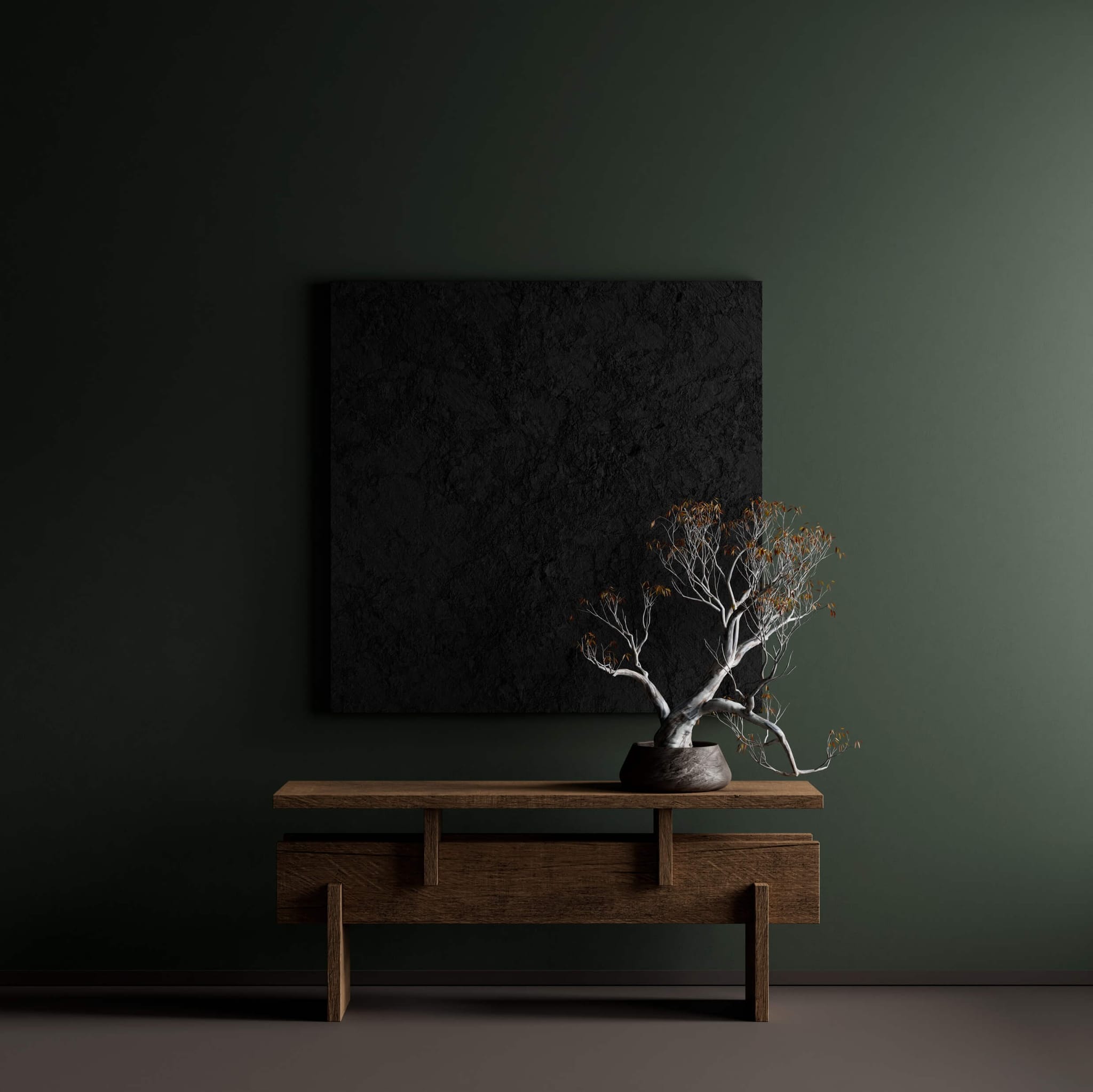
The KEIM Innostar Interior Mineral Wall Paint is the most rigorously verified product in this category. Its potassium silicate binder undergoes a petrification reaction with mineral substrates: instead of sitting on the surface as a film, the paint becomes part of the wall. That means no peeling, no blistering, and no synthetic polymer residue.
KEIM's GREENGUARD Gold certification involves testing across more than 10,000 individual chemicals at room conditions, not just against VOC thresholds. The Cradle to Cradle Gold certification adds material health screening at every ingredient level. KEIM also holds an EPD (Environmental Product Declaration) and NaturePlus certification. The product page explicitly states no preservatives, solvents, plasticizers, or biocides. Pigmentation uses only inorganic mineral colorants.
Best for living rooms, bedrooms, nurseries, kitchens, and any space where you want the broadest independent chemical test panel.
2. JH Wall Paints Lime Wall Paint — Best certified matte finish

The JH Wall Paints Lime Wall Paint uses three-year pit-aged lime with natural earth mineral pigments. The extended aging increases the lime's reactivity and results in a smoother, more consistent finish than shorter-aged or industrial-slaked lime. The formula is two ingredients: pit-aged lime and mineral pigments. No acrylic binder, no preservatives.
GREENGUARD Gold certification confirms zero detected VOC emissions under testing conditions. CARB (California Air Resources Board) compliance, LEED qualification, and EPA compliance complete the verification stack. JH Wall Paints manufactures in the United States.
The matte finish reads flat with the slight mineral depth of old European plaster. It does not clean easily with water; spot touch-up with mineral paint is the maintenance approach. For a more cleanable sheen from the same brand with the identical formula, see the Velvet Wall Paint below.
3. James Alexander Limewash Paint — Best traditional limewash

The James Alexander Limewash Paint is the most approachable entry into mineral finishes: a US-made product in 51 colors with a three-ingredient formula. That formula is burned crushed limestone, water, and mineral pigments. No synthetic binder, no preservatives, no biocides.
Limewash carbonates as it cures: the calcium hydroxide reacts with atmospheric CO2 to form calcium carbonate, producing the characteristic depth and translucency that acrylic paints cannot replicate. Multiple coats build a layered effect. The formula's high pH provides natural antimicrobial properties without any synthetic treatment.
James Alexander is a small DTC brand manufactured in the US, selling direct through their site in quart and gallon sizes. This is the pick for a first-time user of mineral finishes: clean chemistry, straightforward application, 51 colors.
4. Color Atelier Natural Lime Paint — Best value and color range
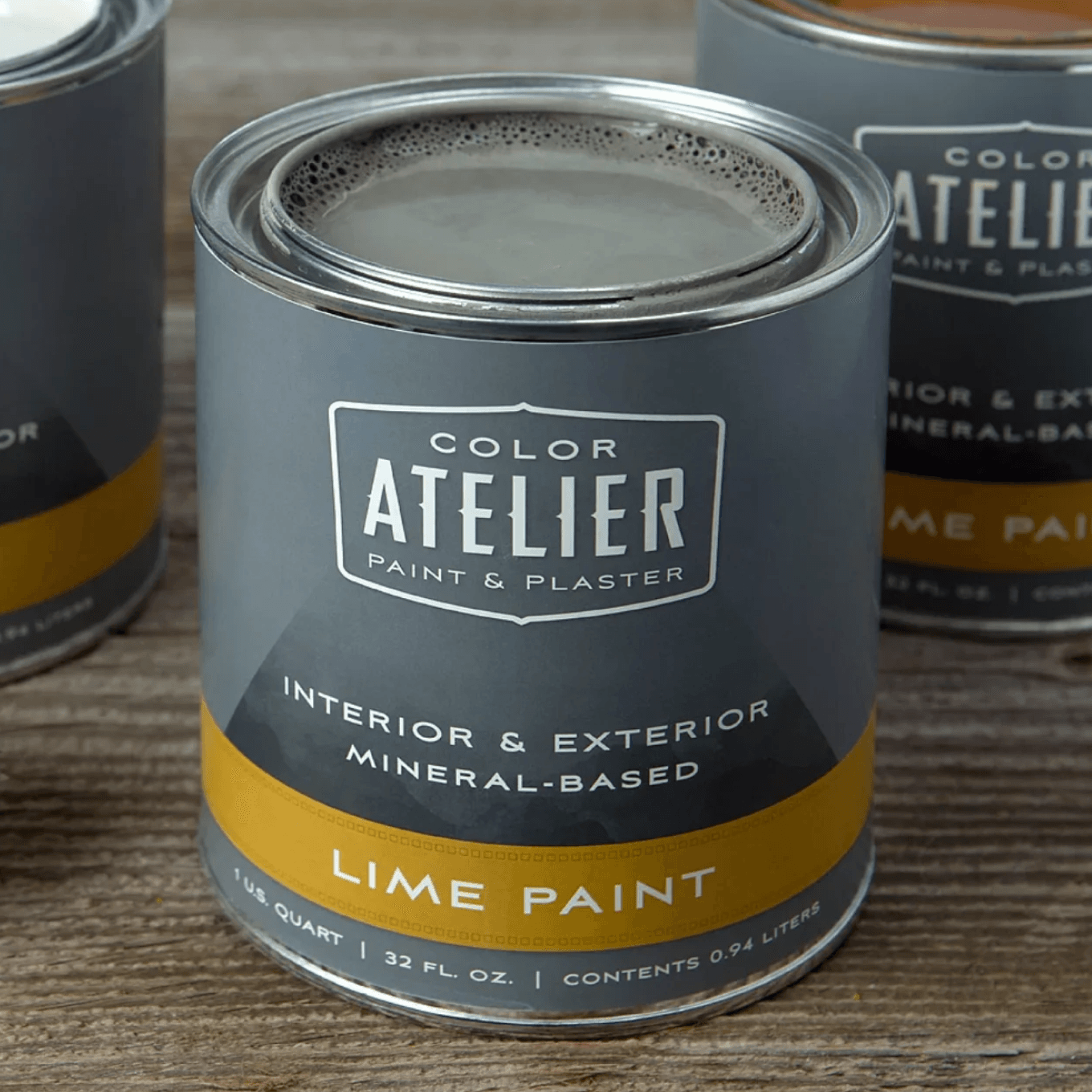
The Color Atelier Natural Lime Paint covers interior and exterior applications in more than 60 mineral pigment colors at the lowest entry price in this guide. The formula is slaked lime with mineral pigments: no synthetic binders, no preservatives, no biocides.
Color Atelier is LEED point qualified and designates the product as hypoallergenic. The color palette includes earthy neutrals, warm whites, and muted saturated tones that read differently at different light levels, which is characteristic of mineral pigment finishes. At the quart level, this is an accessible way to test a mineral finish before committing to a full room or full house.
The wide price range reflects per-quart vs. per-gallon pricing across sizes; at the gallon level it sits competitively with the other picks.
5. JH Wall Paints Velvet Wall Paint — Best velvet finish

The JH Wall Paints Velvet Wall Paint uses the same mineral formula as the Lime Wall Paint: three-year pit-aged lime with natural earth mineral pigments, no acrylic binder, no preservatives. The difference is finish: the Velvet version is burnished to a soft low sheen comparable to a satin or eggshell in conventional paint.
GREENGUARD Gold, LEED, CARB, and EPA compliance are identical to the Lime Wall Paint. The velvet finish is more cleanable and works well in kitchens and bathrooms where some sheen aids surface maintenance. Choose between these two JH picks on finish preference alone. The underlying chemistry is the same.
6. LimeWorks Ecologic Potassium Silicate Paint — Best for masonry
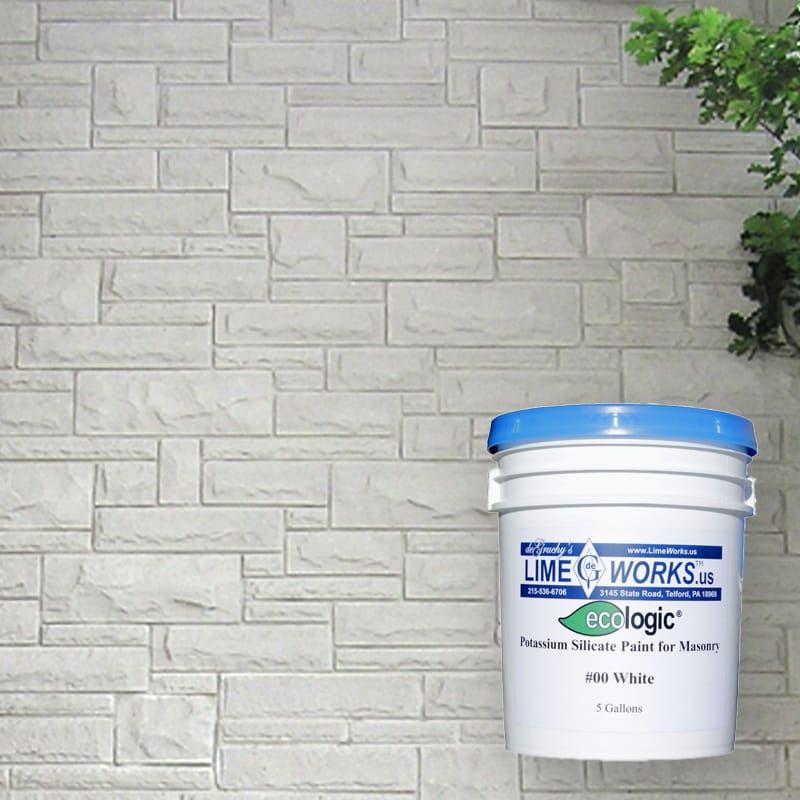
The LimeWorks Ecologic Potassium Silicate Paint is the specialist pick for masonry, concrete block, brick, and stucco surfaces. Potassium silicate achieves durability through a chemical reaction with siliceous minerals in the substrate. On masonry, it produces a bond that cannot peel or blister. On drywall, the reaction is partial and still produces a stable, zero-VOC surface.
LimeWorks.us is a specialty lime and natural plaster supplier. Zero VOC, no synthetic resins, no plasticizers. The product is available in powder-mixed and liquid forms across quart to five-gallon sizes; the wide price range reflects size options. For historic masonry buildings, basements, or any concrete-based substrate where moisture vapor transmission matters, potassium silicate is the technically correct choice.
7. Ottosson Interior Linseed Oil Paint (via Earth+Flax) — Best linseed oil paint
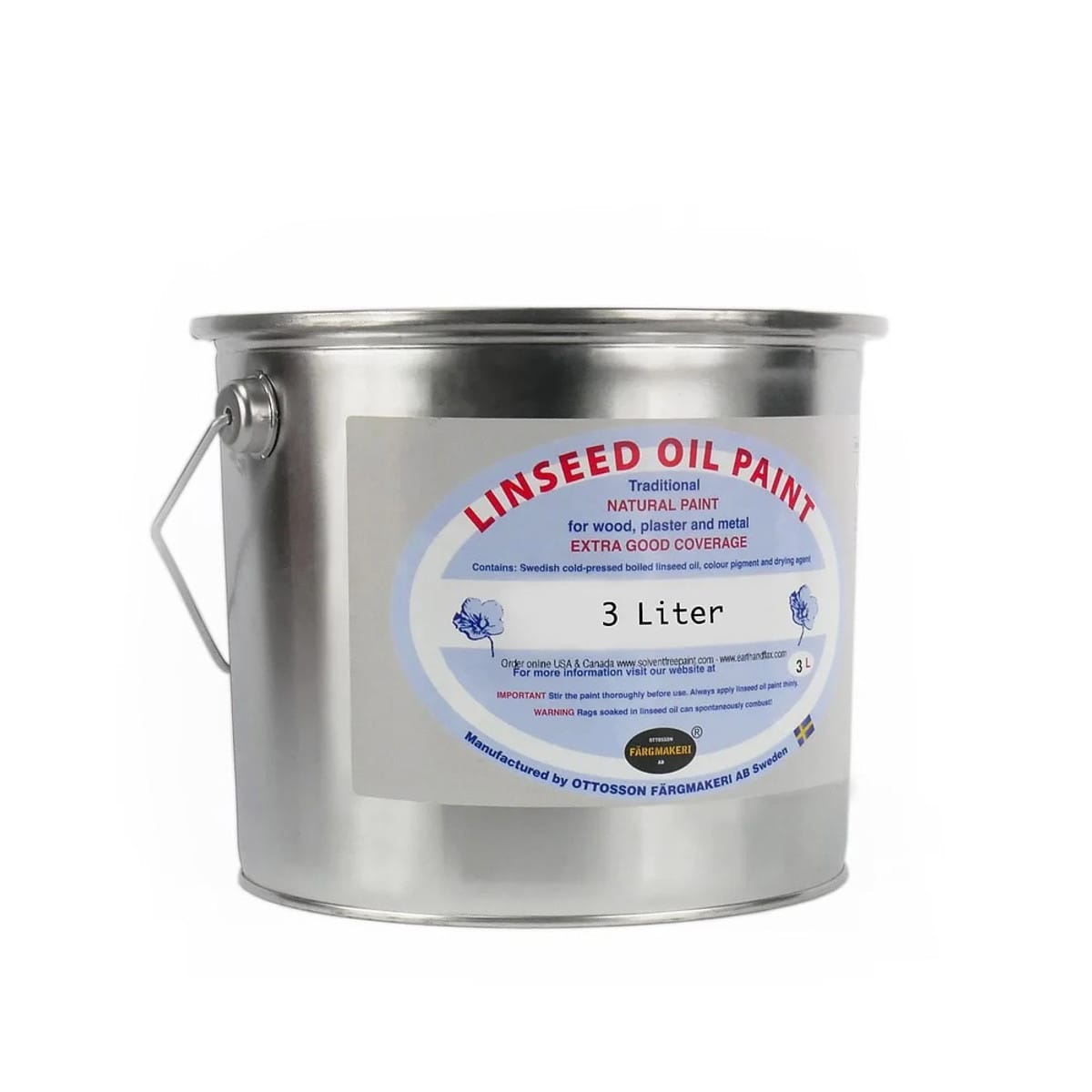
The Ottosson Interior Linseed Oil Paint is a Swedish product available in the US through Earth+Flax. The formula is cold-pressed boiled linseed oil with mineral pigments: no synthetic resins, no plasticizers, no biocides, no petroleum solvents. Drying is by oxidative polymerization, which produces a hard penetrating film rather than a surface coating.
Linseed oil paint is the traditional finish for wood surfaces, plaster, and masonry in Scandinavian building practice. Inside a home, it suits interior trim, wood floors, and wood paneling as well as walls. The cured film is flexible, resists cracking as wood moves seasonally, and can be repaired by adding a fresh coat over the existing surface without stripping.
Application requires patience: 24 to 48 hours between coats, three coats minimum for interior walls. The resulting surface is durable and fully penetrating.
8. Color Atelier Lime Slurry — Best primer pick

Most mineral topcoats require a mineral-compatible primer, and most conventional primers are acrylic. The Color Atelier Lime Slurry is a zero-VOC mineral solution: pure slaked lime and water applied as a thin preparatory coat before lime plaster or limewash. It bonds to drywall and masonry through carbonation chemistry, with no synthetic primer resins.
The lime slurry creates the alkaline surface chemistry that mineral topcoats adhere to without the biocides and glycol ethers in conventional primers. If you are coating with any lime-based product in this guide, a mineral primer keeps the entire system synthetic-free. Apply one thin coat, let it fully carbonate, then apply the topcoat.
What we passed on
Ecos Paints markets a zero-VOC acrylic line but lists "proprietary blend" for its preservative system, which fails the full-ingredient-disclosure precondition required before vetting the chemistry. Benjamin Moore Natura claims zero-VOC and carries GREENGUARD Gold certification but uses an acrylic binder; the product page does not disclose whether antimicrobial biocides are present in the wet-can formula, which fails the same precondition. Sherwin-Williams Harmony carries an antimicrobial treatment that trips the biocide disqualifier: the product page explicitly markets the treatment as a feature, and the treatment is not disclosed by compound name.
FAQ
What is the difference between zero-VOC and low-VOC paint?
Zero-VOC typically means the product registers below 5 grams per liter of volatile organic compounds under standard test conditions. Low-VOC covers a wider band, often up to 50 g/L for flat finishes and 150 g/L for non-flat under EPA definitions. Neither designation screens for biocidal preservatives, glycol ether solvents, or formaldehyde-releasing compounds that are exempt from VOC accounting. The more useful question is what the binder and preservative system are, not just whether the VOC headline number is low.
Is zero-VOC paint safe for a nursery?
Not automatically. The VOC number can be zero while the wet-can preservative system still contains isothiazolinones, which are skin and respiratory sensitizers. For a nursery, look for GREENGUARD Gold certification (which tests at room conditions across hundreds of chemical classes) and full ingredient disclosure for the binder, pigment, and preservative system. Every pick in this guide that carries GREENGUARD Gold certification is appropriate for a nursery; for the others, ventilate thoroughly and allow several days before occupancy.
Do mineral paints require special surface preparation?
Lime, potassium silicate, and linseed oil finishes all require clean, porous surfaces. New drywall should be primed with a mineral primer (see the Color Atelier Lime Slurry above) rather than a conventional acrylic primer, which creates a surface the mineral finish cannot bond to. Previously painted walls require a mechanical test: wet your finger, press to the existing paint, release. If the paint lifts, remove the loose layers before applying a mineral topcoat.
What certifications should I look for in non-toxic interior paint?
GREENGUARD Gold is the most comprehensive third-party emissions certification; it tests at room conditions across more than 360 VOC compounds and 10,000-plus individual chemicals. MAS Certified Green covers VOC content and listed hazardous ingredients. GreenSeal GS-11 evaluates VOCs, heavy metals, and specific hazardous ingredients. Cradle to Cradle Material Health covers ingredient-level disclosure and human health impact. A product with none of these certifications is not automatically unsafe: the lime and linseed oil finishes here pass our disqualifier screen on ingredient composition alone.
Can I use these paints over existing acrylic-painted walls?
Potassium silicate and lime finishes do not adhere well to glossy acrylic surfaces. The existing surface must be scuffed, cleaned, and either primed with a mineral primer or given a bonding coat designed for the specific topcoat. Flat-finish acrylic walls that are firmly bonded are sometimes workable after light sanding, but results vary with the existing paint's composition. Consult the manufacturer's application guide for the specific pick you choose; LimeWorks.us publishes detailed substrate guidance on their site.
Cover image: Ksenia Chernaya via Pexels (Pexels License). Source.


