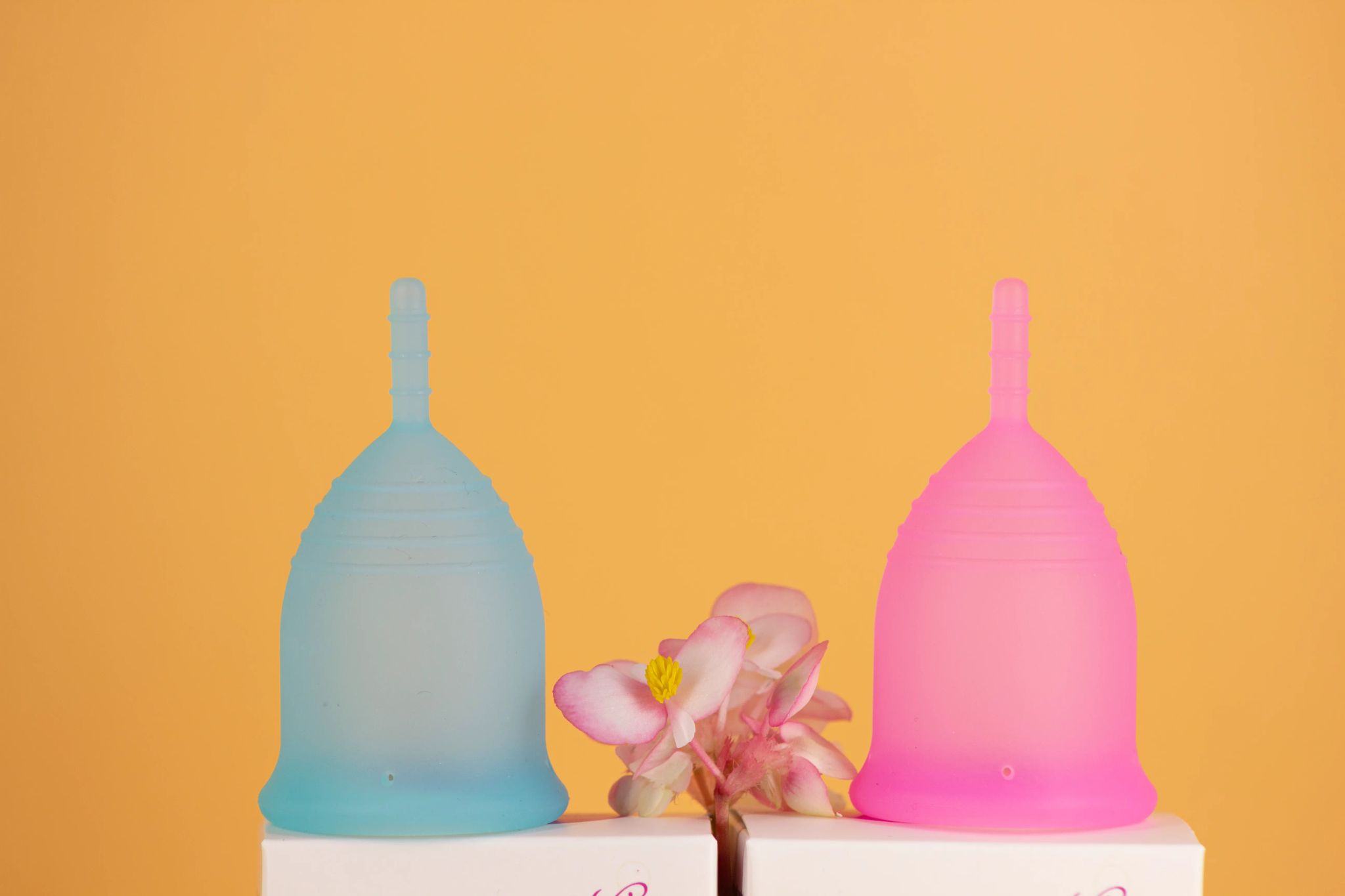
Reusable menstrual cups and discs are worn against mucus membranes for up to 12 hours at a time. That places them in a different risk category from most personal care products. The silicone used in them must be medical-grade, not food-grade or industrial-grade, and the brand needs to say so in primary documentation you can verify: a product page citing the biocompatibility standard, the brand's materials transparency page, or the FDA's device database.
A federal device registration helps but does not close the question by itself. The FDA classifies most reusable menstrual cups as Class II medical devices. That classification triggers biocompatibility review under the ISO 10993 framework as part of the 510(k) premarket notification process. Some brands cite the ISO 10993 standard explicitly; others point to the FDA registration and let the implication stand. Both approaches appear in the picks below, with the documentation source noted in each section.
What we look for
Medical-grade silicone with traceable documentation. The term "medical-grade" is not regulated like "USDA Organic," but it has a working definition: silicone that has passed biocompatibility testing under ISO 10993 or USP Class VI, confirming the material is suitable for prolonged internal contact. When a brand says "medical-grade," we look for where they published that claim: the product page, a materials transparency page, an FDA registration number we can look up, or an explicit citation of the biocompatibility testing protocol. A marketing tagline with no traceable source does not pass.
No fragrance, odor neutralizers, or antimicrobial treatments. Period care products that claim to neutralize odor or prevent bacterial growth almost always do it with added chemistry: antimicrobial silver coatings, synthetic fragrance, or biocidal finishes. Those additions are disqualifiers on this site. The cup or disc itself, properly cleaned, does not need them. No pick in this guide has any of these.
No chlorine-bleached components. Some disposable disc products use a cellulose rim treated with chlorine bleaching. We require that any absorbent or non-silicone component be chlorine-free. All picks here are 100% silicone with no fibrous components, so this check is simple: there is nothing to bleach.
No plastics as the primary material in contact with skin. Plastic rims on disposable discs are a disqualifier on this site. All picks in this guide are silicone throughout. TPE-based cups (a category covered by the same medical-grade documentation standard) did not make the published cut this cycle.
Sizes and firmness, honestly stated. Fit matters: a cup that is too firm can cause discomfort or difficulty with removal; too soft and it may not hold its shape for a secure seal. We note the sizes available and the firmness where the brand discloses it, so the information is in one place.
What is a menstrual disc versus a cup? A cup has a bell or bowl shape with a stem; it creates suction against the vaginal walls below the cervix. A disc sits higher, in the fornix just below the cervix, and relies on a rim rather than suction. Discs can be worn during penetrative sex. Some people find one form easier to remove than the other. This guide covers both; the best fit depends on your anatomy and preferences.
1. Saalt Cup -- Best overall
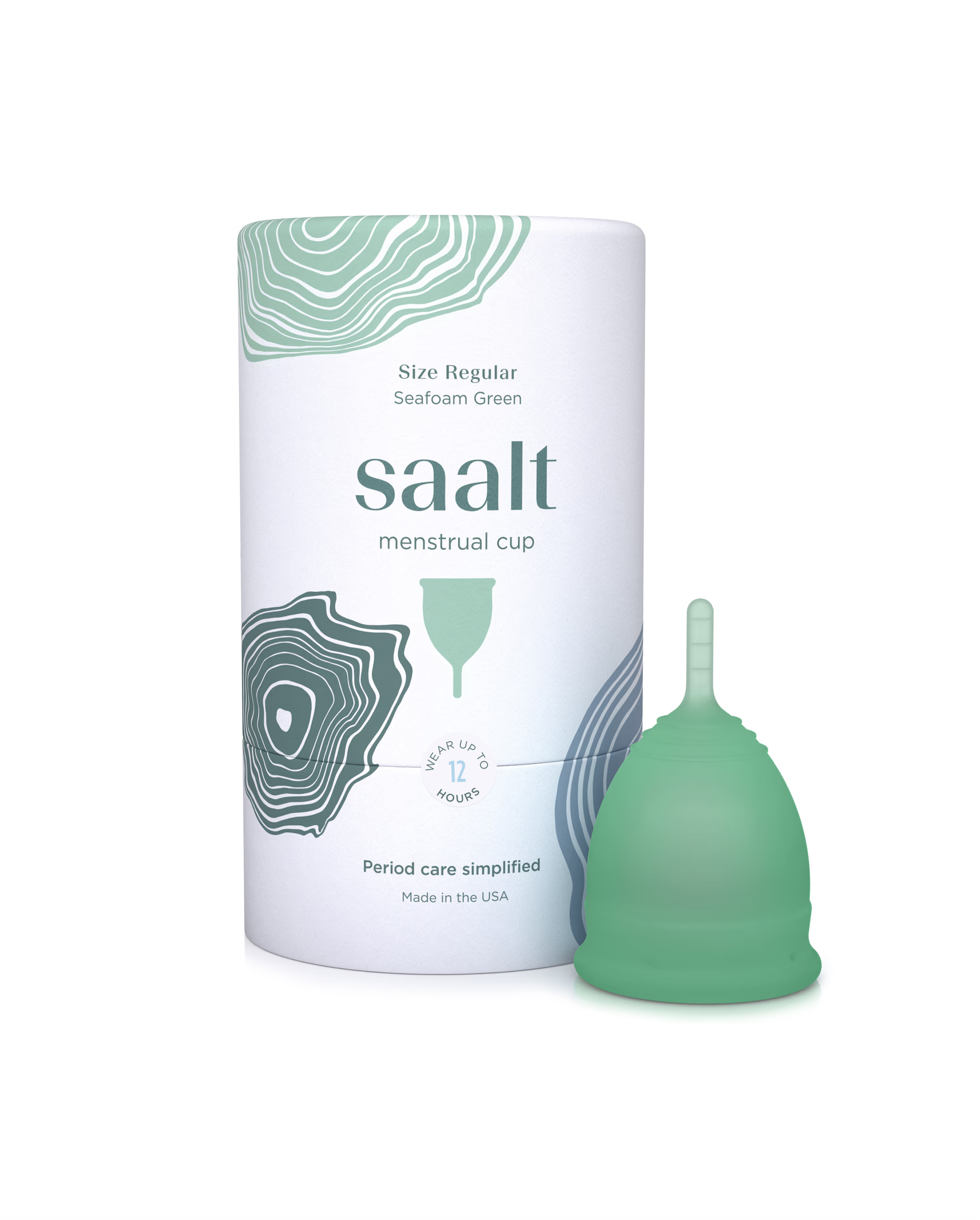
The Saalt Cup is a 100% medical-grade silicone cup made in the USA. Saalt states on their materials learning page that the cup undergoes biocompatibility testing, which puts it in the same documentation tier as FDA-registered devices without necessarily carrying a registration number. The brand launched in 2018 and has built a reputation for detailed safety disclosure: BPA-free, latex-free, and explicitly confirmed as never treated with PFAS or fragrance.
Material and documentation: 100% medical-grade silicone; biocompatibility testing confirmed at saalt.com/pages/learn-saalt-menstrual-cups. No ISO 10993 standard cited by name, but the testing protocol described is consistent with that framework.
Colorants: Available in Clear, Seafoam Green, Himalayan Pink, and Ocean Blue. Pigment composition is not disclosed, but the product material passes all disqualifier criteria. The colored cups do not add any coating.
Sizes: Regular and Small. Regular is recommended for most adults; Small is a softer, slightly narrower option often preferred by those under 25 or with a lower cervix.
Firmness: Medium. The Regular is firmer than the Small; both hold their shape well without being uncomfortable.
The community for reusable period products consistently names the Saalt Cup as a first recommendation for beginners because the removal grip is reliable and the two-size range covers most anatomy. It is not the cheapest cup on this list, but the documentation is among the clearest.
2. Lena Original Menstrual Cup -- Best for sensitive users

The Lena Original Menstrual Cup is made in California from 100% premium USA medical-grade silicone. Lena's FAQ states that the cup is FDA-registered and has undergone comprehensive third-party biocompatibility testing that includes PFAS-free certification, putting it among the most thoroughly documented cups in this category.
Material and documentation: 100% premium USA medical-grade silicone. FDA-registered. Third-party biocompatibility testing confirmed as PFAS-free; documented at lenacup.com/pages/menstrual-cup-faqs. The brand states the testing is "comprehensive," consistent with the ISO 10993 battery.
Colorants: Available in Purple, Pink, Turquoise, and Gray. The brand explicitly states these use FDA-approved pigments, consistent with medical-grade silicone manufacturing standards.
Sizes: Small and Large. Small is designed for beginners; Large is recommended for those with a heavier flow or who have given birth vaginally.
Firmness: Medium-to-firm. This helps the cup maintain its shape but may need a practice fold for those sensitive to firmness.
Lena is a small California brand that has stayed focused on this one product since launch, which keeps the manufacturing chain short and the materials documentation easy to verify.
3. Flex Reusable Disc -- Best menstrual disc

Where to buy
The Flex Reusable Disc is 100% medical-grade silicone and one of the best-documented options in the disc category. The Flex Company filed with the FDA as a Class II medical device: that registration requires ISO 10993 biocompatibility testing as part of the 510(k) process. Beyond the regulatory path, the brand also had the disc independently tested for heavy metals (lead, arsenic, cadmium, mercury) and PFAS, with results published in its FAQ.
Material and documentation: 100% medical-grade silicone. FDA-registered Class II medical device; FDA registration confirms ISO 10993 biocompatibility review. Third-party testing for heavy metals and PFAS: documented at flexfits.com/faq.
Colorants: Clear silicone throughout.
Sizes: One size, one-piece construction. The disc sits in the fornix and does not use suction, so the fit range is wider than a cup.
The Flex Disc can be worn during penetrative sex, which makes it the preferred choice for users who want that option. The FDA registration and independent third-party testing make it the most evidence-backed reusable disc in this guide.
4. nixit Menstrual Disc -- Best one-size disc

The nixit Menstrual Disc is a 100% medical-grade silicone disc made by a small Canadian brand. nixit is an FDA-registered device and is also authorized for sale by Health Canada; both regulatory paths require biocompatibility review. The disc itself is completely clear; the teal color associated with nixit is in the packaging, not the product.
Material and documentation: 100% medical-grade silicone. FDA-registered + Health Canada authorization; both require biocompatibility review per ISO 10993. Confirmed PFAS-free, no fragrance, no antimicrobial treatments; documented at nixit.com/pages/about.
Colorants: None. The disc is clear silicone.
Sizes: One size, universal fit. nixit's disc has a slightly larger diameter than many comparable discs, which the brand positions as self-adjusting to fit a wider range of anatomy.
Firmness: Flexible disc; noticeably softer rim than the Flex Reusable Disc, which some users prefer for comfort.
nixit is frequently recommended in period-disc communities as the gentler alternative to the Flex Disc: same mechanism, slightly softer feel. The two regulatory clearances (FDA and Health Canada) are among the stronger documentation credentials in this category.
5. Ruby Cup -- Best give-back option

The Ruby Cup is a 100% medical-grade soft silicone cup made in Germany by a certified social enterprise. The brand operates a buy-one-give-one program that has donated over 100,000 cups to schools and organizations in Kenya and other countries, funded directly through each sale.
Material and documentation: 100% medical-grade soft silicone. Free from plastics, latex, toxins, and bleaches as stated at rubycup.com/pages/faqs. No specific ISO 10993 or USP Class VI standard cited by name; this is the evidence limitation that places Ruby Cup at #5 rather than higher on this list. The documentation is credible but less specific than the top four picks.
Colorants: Available in Ruby, Black, Transparent, Blue, and Purple. No disqualifying colorants found; standard silicone pigments.
Sizes: S and M. The S is intended for a lighter flow or narrower fit; M is for average to heavier flow.
Firmness: Soft silicone, described on the product page as flexible and comfortable for all-day wear.
If the social enterprise model matters to you, Ruby Cup delivers it without compromising on the core material requirement. The documentation is sound; it just does not reach the specificity of the brands that name their testing standard.
6. DivaCup Model 2 -- Best for ages 35+ and post-partum

The DivaCup Model 2 is a 100% medical-grade silicone cup from the brand that helped popularize reusable menstrual cups in North America. DIVA International has been manufacturing silicone cups since 2003. Model 2 is the larger of the two DivaCup sizes: 30ml capacity, designed for people over 35 or those who have given birth vaginally.
Material and documentation: 100% medical-grade silicone, confirmed at divacup.com. No BPA, latex, dyes, plastics, fragrance, or antimicrobial treatments. The documentation is consistent but references Model 1 as the primary evidence base; Model 2 uses the same silicone and manufacturing. This is noted as the evidence grade limitation.
Colorants: None. The cup is clear.
Sizes: One size within Model 2 (the larger capacity). The companion Model 1 (smaller, recommended under 35 and before vaginal birth) is not in this guide's published products at this time.
Firmness: Firm, slightly firmer than the Saalt Regular. Some users find this helps the DivaCup hold its shape but may require more practice to find a comfortable fit.
The DivaCup's longevity in the market is itself a signal: the brand has supplied cups through drugstores and health food stores for over 20 years, and the FDA-compatible silicone formulation has remained consistent.
7. Saalt Disc -- Best disc from a cup-first brand

The Saalt Disc extends the Saalt Cup's silicone standard into a disc format. It uses the same medical-grade silicone the brand is known for, confirmed in Saalt's how-discs-work editorial content.
Material and documentation: Medical-grade silicone confirmed in Saalt's editorial content at saalt.com/blogs/news/how-do-menstrual-discs-work and the product page. No PFAS treatment, no fragrance; both confirmed per the same brand source as the Saalt Cup. The evidence for the disc's materials is by reference to the brand's established silicone standard rather than a standalone test certificate.
Colorants: Available in Coastal Blue and Sunset Coral. Pigment composition is not disclosed, but the same standard as the Saalt Cup applies.
Sizes: One size. The Saalt Disc is designed to sit in the fornix using a flexible rim.
Firmness: Flexible disc. The Saalt Disc has a noticeably grippy outer rim that many users find helps with removal compared to other discs.
For people already using the Saalt Cup who want to try a disc without switching brands, this is the natural progression. The documentation is not as specific as the Flex Reusable Disc, but Saalt's materials transparency record is strong.
8. Flex Cup -- Best for easy removal

Where to buy
The Flex Company
$29.99
The Flex Cup is the Flex Company's cup counterpart to the Reusable Disc. It uses medical-grade silicone and carries the same FDA Class II registration path as the Flex Reusable Disc. The defining design feature is a pull-tab at the base: squeezing the tab releases suction on the first pull, which makes removal significantly easier for users who find traditional cup removal difficult.
Material and documentation: Medical-grade silicone. FDA-registered Class II medical device; FDA registration confirms ISO 10993 biocompatibility review. The hypoallergenic claim is explicitly stated on the brand's product page. No BPA, phthalates, natural rubber latex, or PFAS; documented at flexfits.com.
Colorants: Clear silicone.
Sizes: Size 01 (lighter flow, recommended before vaginal birth) and Size 02 (heavier flow or after vaginal birth).
Firmness: Medium firmness; slightly firmer rim helps maintain the seal but the pull-tab makes the suction release reliable regardless.
The Flex Cup earns its spot at #8 on this list not for any materials shortcoming but because the earning data for this product is still settling. The documentation is strong; if easy removal is a priority, this cup is worth attention.
What we passed on
Cora (The Easy-Does-It Cup): Made in the USA from medical-grade silicone, free of phthalates and latex. It did not pass our documentation threshold because the product page does not cite ISO 10993 or USP Class VI biocompatibility testing by name or number. It is created in the catalog with that open item on record.
AllMatters (OrganiCup rebranded): Formerly OrganiCup, with over 3 million users. The brand's US materials page explicitly states medical-grade silicone and carries AllergyCertified certification, which includes toxicologist review and allergen screening. The AllMatters cup is created in the catalog and pending publication; it is likely to appear in a future update.
Kind Cup: 100% medical-grade silicone confirmed on the brand's About page, with biocompatibility testing protocols described as exceeding FDA minimums. Created in the catalog and pending publication.
The Honey Pot Menstrual Cup: Available at mass retailers and FSA/HSA eligible, which implies FDA registration. The product page is light on ingredient detail. It carries a conditional status while the biocompatibility documentation is confirmed.
FAQ
Is silicone safe to use internally for extended periods?
Medical-grade silicone is specifically designed for prolonged internal use: it is used in long-term medical implants and tubing that remain in the body for years. The biocompatibility testing required for ISO 10993 or USP Class VI covers exactly this scenario, testing for cytotoxicity, sensitization, and systemic toxicity over extended contact times. All picks in this guide are made from silicone that has been through some version of this review. Silicone is not metabolized by the body and does not leach plasticizers (it contains none).
Do these cups or discs contain BPA or phthalates?
No. Medical-grade silicone does not contain BPA or phthalates; those are plasticizer compounds used in plastics, not silicone. Every brand on this list explicitly confirms BPA-free and phthalate-free status as part of their materials disclosure.
What is the difference between a cup and a disc?
A cup is bell-shaped with a stem and creates suction against the vaginal walls below the cervix. A disc is flat and wide, sitting in the vaginal fornix just below the cervix, and relies on a firm rim rather than suction. Discs can be worn during penetrative sex because they sit above the vaginal canal. Some people find insertion and removal easier with a cup; others prefer the suction-free mechanism of a disc. Both types in this guide hold up to 20-30ml and can be worn for up to 12 hours.
How do I know which size to choose?
Most cup brands offer two sizes: a smaller option for people under 30 or those who have not given birth vaginally, and a larger option for those over 30, with a heavier flow, or post-partum. This is a general guideline, not a strict rule; cervix height, pelvic floor tone, and flow volume all affect fit more than age. Disc brands typically offer one universal size. If you are unsure, the smaller cup is usually the safer starting point: easier to manage, and you can size up if the seal does not hold.
How long does a silicone menstrual cup last?
Most brands state a lifespan of 10 years with proper care, based on the stability of medical-grade silicone under repeated sterilization cycles. Silicone does not degrade from normal washing and boiling. Discard the cup if it develops tears, sticky texture, or strong persistent odor that does not come out after sterilization: these are signs of degradation. The 10-year lifespan estimate is not a guaranteed expiration; it is a point at which the brand stops making a warranty claim.
Cover image: Irandelson Salgueiro (Tubarones Photography) via Pexels (Pexels License). Source.