
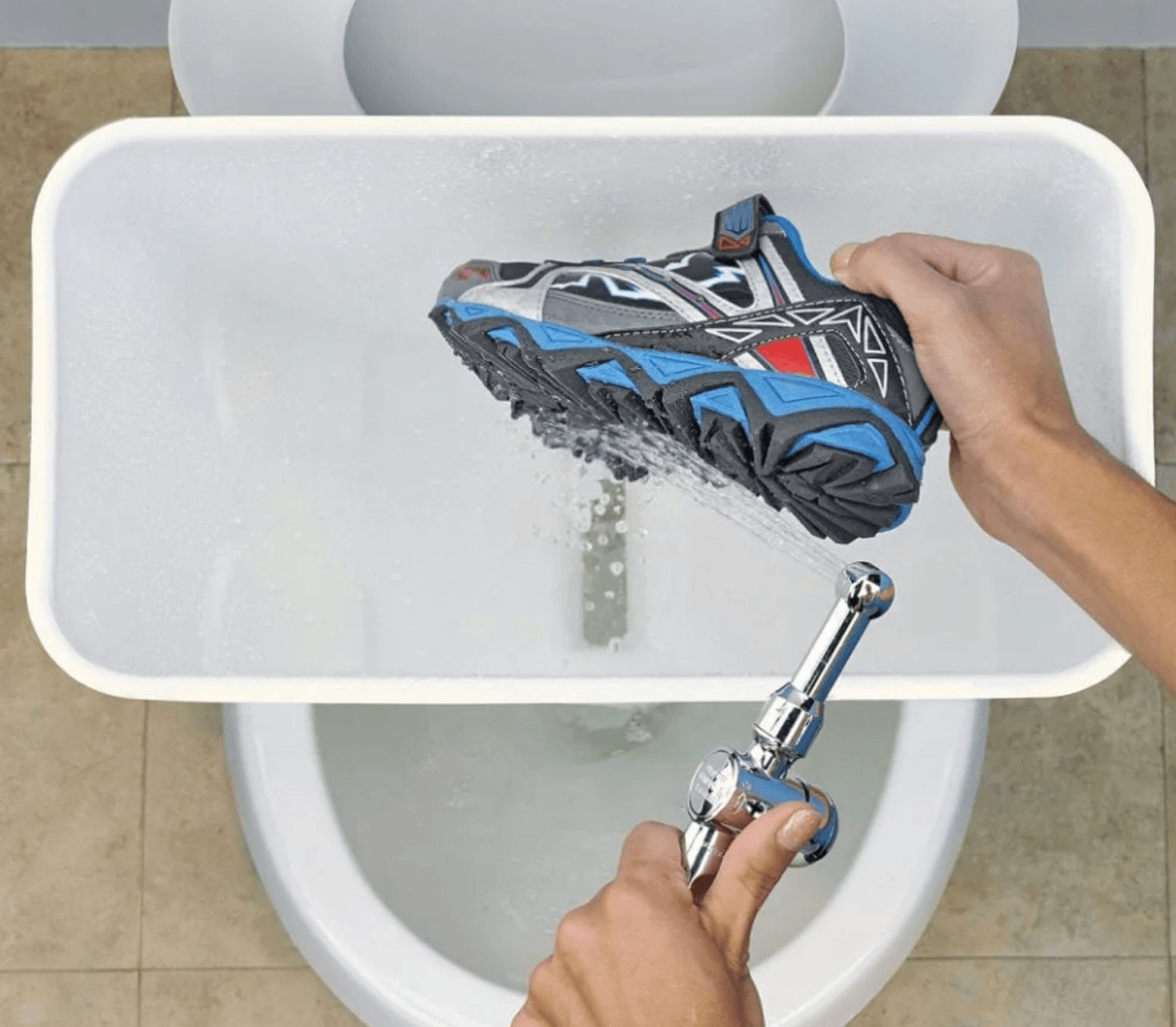
Our picks at a glance
| Pick | Best for | Key credentials | Price | Details |
|---|---|---|---|---|
| Kanga Care Wet Bag | On-the-go storage | Bio-TPU, CPSIA compliant | $ | Full review |
| Thirsties Deluxe Wet Bag | Travel, Made in USA | TPU, explicit free-of claims | $ | Full review |
| Thirsties Simple Pail Liner | Home diaper pail | TPU, Made in USA | $ | Full review |
| OsoCozy Cloth Diaper Pail Liner | Budget storage | PUL, dual-use | $ | Full review |
| Aquaus 360 Diaper Sprayer | Thorough rinsing | NSF/ANSI 61, solid brass | $$ | Full review |
| Spray Pal Diaper Sprayer | Budget rinsing | SDWA-compliant brass | $ | Full review |
Cloth diapering solves the disposable diaper problem, but it creates a logistics problem: where do soiled diapers go between washes, and how do you get solid waste off a diaper without touching it? Wet bags, pail liners, and diaper sprayers answer those questions. The materials in each of these accessories deserve as much scrutiny as the diapers themselves: the linings that create the waterproof barrier, and the fittings that connect to your household water supply, each have their own list of things to check.
If you are new to cloth diapering, our guide to non-toxic cloth diapers covers the diapers themselves. This guide covers the accessories that complete the system.
What we look for
Wet bag and pail liner linings: TPU over PVC. The waterproof layer is the main materials question in this category. PVC (polyvinyl chloride) is common in cheap wet bags and contains plasticizers that have been associated with endocrine disruption in multiple toxicological reviews. PEVA (polyethylene vinyl acetate) is marketed as a PVC alternative, but some of the same concerns apply. TPU (thermoplastic polyurethane) is the established alternative in cloth diapering: no chlorine in the production process, no phthalate plasticizers required for flexibility. PUL (polyurethane laminate) is a polyester fabric bonded to a polyurethane film; it avoids PVC but the polyurethane chemistry varies by manufacturer. Brands that specify TPU by name are making a more specific claim than brands that describe their lining as waterproof or PUL without further detail.
Zipper and closure hardware. Brass and zinc alloy zippers can contain lead depending on the alloy composition and the sourcing year. Brands that specify YKK zippers or disclose lead-free hardware are making a material claim worth noting. Plastic zippers avoid the metal question but add plastic to the closure.
For sprayers: the water contact materials. A diaper sprayer routes household water through a T-valve, a hose, and a spray nozzle. Every material in that path contacts the water that contacts your diapers. The questions are: does the brass contain lead above the US Safe Drinking Water Act limit of 0.25%? Is the hose PVC or a rated alternative such as stainless braided or EPDM-sealed? Does the device include a certified backflow preventer, so toilet water cannot travel back into the supply line during a pressure change? NSF/ANSI 61 certification is the independent test that covers all of these questions together. It is the only third-party certification specifically addressing drinking water system components.
No antimicrobial treatments. Some wet bags and pail liners carry nanosilver or silver-ion odor treatments, marketed as freshness technology. We do not list products with undisclosed antimicrobial biocides. Odor in a soiled diaper bag is normal; it does not need a chemical intervention.
No fragrance. A diaper bag with a fresh-scent finish carries undisclosed fragrance compounds. None of our picks carry fragrance treatments.
Our picks
1. Kanga Care Wet Bag: Best wet bag for on-the-go

The Kanga Care Wet Bag uses a Bio-TPU lining that is heat-bonded without solvents, and a YKK XL metal zipper in place of the plastic closures common on cheaper wet bags. Composition is disclosed on the brand product page, which clears the precondition we require before listing any product. The bag is CPSIA compliant.
The 3D dimensional shape gives the bag more usable interior volume than flat wet bags at the same external footprint. The hanging loop works on a stroller hook or clipped inside a diaper bag. At $19.95 from the brand site (also available on Amazon), it covers most diaper changes before needing a wash.
Who it is for: parents who want the most transparent materials disclosure in this category, in a bag sized for full-day outings.
2. Thirsties Deluxe Wet Bag: Best Made-in-USA option
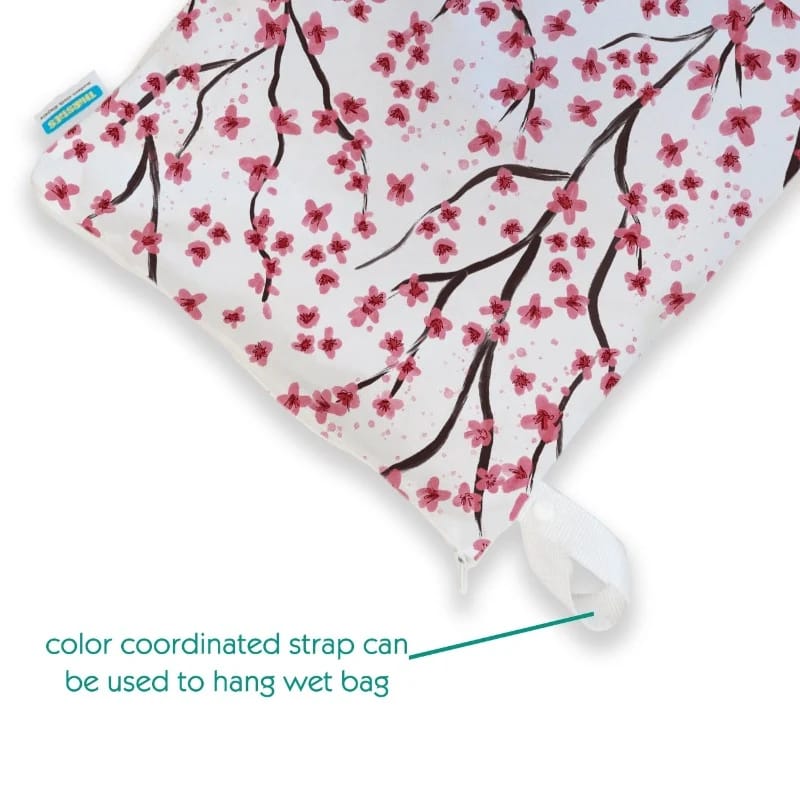
The Thirsties Deluxe Wet Bag carries explicit PVC-free, lead-free, phthalate-free, and latex-free disclosures that Thirsties has maintained across their product line. The TPU lining is consistent across their full bag lineup. The snap handle attaches to a stroller or diaper bag hook. Made in the USA.
At $17.99, it is the least expensive pick in the wet bag category. The free-of claims are the strongest explicit language available here: most brands in this space do not publish lead-free hardware claims. Thirsties does.
Who it is for: parents prioritizing Made-in-USA manufacturing and explicit, named free-of material disclosures.
3. Thirsties Simple Pail Liner: Best pail liner for home use

The Thirsties Simple Pail Liner applies the same TPU standards as the Thirsties wet bags to a home pail liner: no PVC, no phthalates, no antimicrobial treatment, the same explicit free-of disclosures. The elastic opening fits most standard diaper pails. Made in Colorado, USA.
The pail liner works like a large-format wet bag: waterproof lining, no odor treatments, machine-washable. When it is time to wash, the liner goes into the washing machine with the diapers inside it, then hangs to dry. At $19.99, the per-use cost over two to three years of cloth diapering is a fraction of a cent.
Who it is for: parents who want the same Thirsties material standards extended from on-the-go bags to the home diaper pail.
4. OsoCozy Cloth Diaper Pail Liner: Best budget pail liner
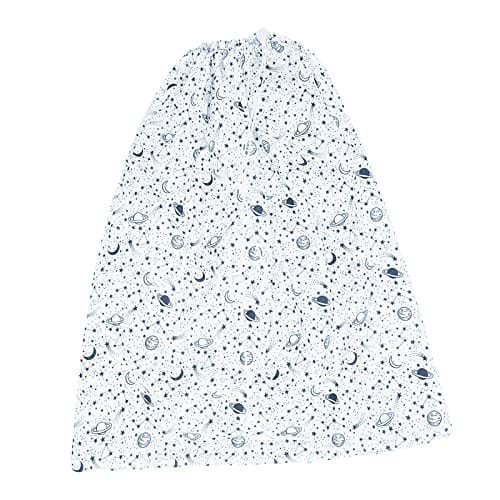
The OsoCozy Cloth Diaper Pail Liner is a drawstring PUL bag sized for standard diaper pails, also usable as a wet bag on the go. No antimicrobial treatment. Machine-washable. The drawstring closure pulls tighter than an elastic-top design for secure containment.
OsoCozy does not carry the explicit named free-of language of Thirsties, and the PUL material is generic rather than specified as TPU. It is the budget choice in this category, not the materials-first choice. For parents who have allocated their diaper budget to the diapers themselves and need a functional storage solution, it covers the basics without antimicrobial treatments or added fragrance.
Who it is for: budget-conscious parents who want a reusable liner without antimicrobial treatments or PVC.
5. Aquaus 360 Diaper Sprayer: Best diaper sprayer
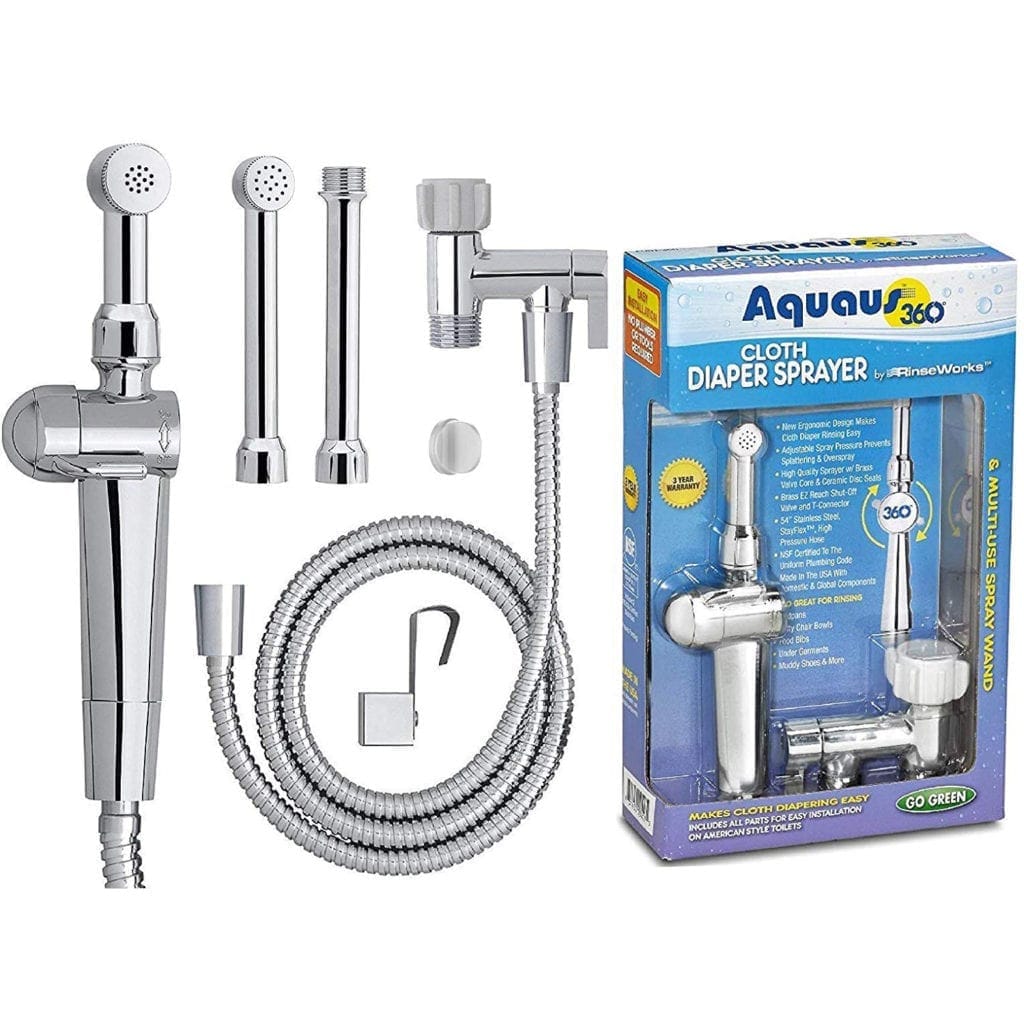
The Aquaus 360 Diaper Sprayer is the only diaper sprayer currently listed by IAPMO with NSF/ANSI 61 and UPC certification, independently tested as safe for potable water contact. The forged solid brass body, dual certified backflow preventers, and 270 psi burst-rated stainless braided hose address every materials question in the water contact path.
The backflow prevention is the safety feature that most sprayers skip. Without it, a pressure change in the household supply can draw toilet water back through the valve and into the supply line. The Aquaus 360 uses two certified preventers in series. The hose is stainless braided with EPDM seals, not PVC. The 3-year warranty comes from a brand that has been making this specific product since 2011.
At $69.95 with NSF/ANSI 61 certification, this is not a budget purchase. It is the purchase for parents who want to close every materials question in the spray path.
Who it is for: parents who want third-party certification covering every material in the water supply chain.
6. Spray Pal Diaper Sprayer: Best budget sprayer
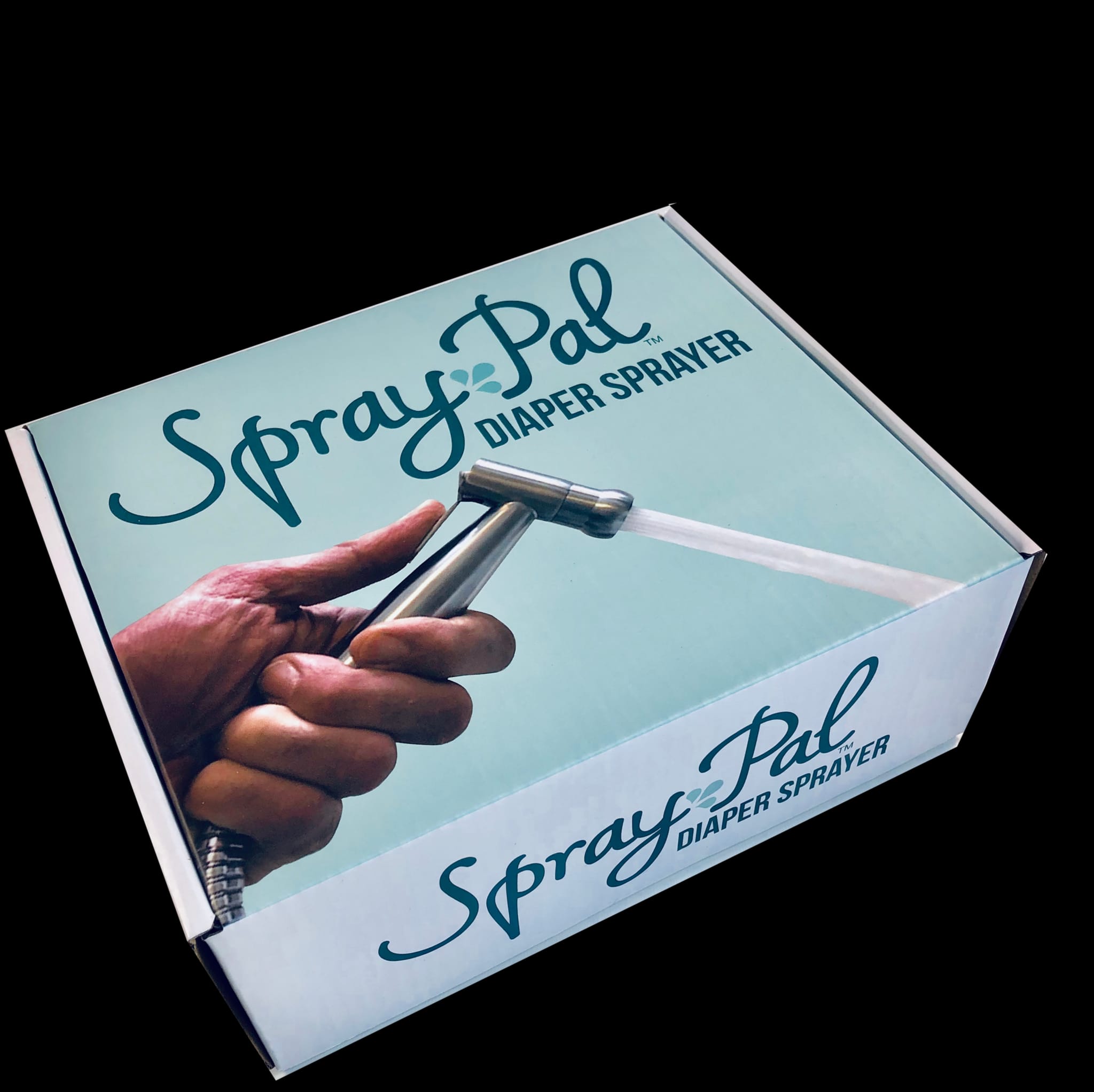
The Spray Pal Diaper Sprayer uses a solid brass T-connector and ceramic valve manufactured after 2014, when the Safe Drinking Water Act amendment capped brass lead content to 0.25% in all plumbing fittings. The 47-inch hose is stainless braided with EPDM seals rather than the PVC hose standard on most budget sprayers. No NSF/ANSI 61 certification, but SDWA low-lead compliance applies to every wetted component.
At $35.95, it is roughly half the cost of the Aquaus 360. The tradeoff is the absence of third-party certification and independent backflow preventer testing. For parents who want to avoid PVC hoses and elevated brass lead content without paying for NSF certification, this is the middle option.
Who it is for: parents who want to avoid PVC hoses and SDWA-excess lead at a lower price than the certified alternative.
What we passed on
Planet Wise wet bags and pail liners are widely recommended in cloth diaper communities. We could not obtain materials disclosure sufficient to clear our sourcing requirements: the lining chemistry is described as water-resistant without naming the polymer, and the brand does not publish lead-free hardware claims. We did not list them.
GroVia pail liners and wet bags were out of stock at the brand site and at major retailers at the time of research. Their product pages also do not provide the materials specificity we require for the lining chemistry.
Kanga Care pail liners exist but were out of stock across all channels at research time. Their wet bag passes our criteria; if the pail liner returns to stock and carries the same materials claims, it would be a natural addition.
FAQ
What is the difference between TPU and PVC in wet bags?
PVC (polyvinyl chloride) requires plasticizers to stay flexible. Phthalate plasticizers, which have been associated with endocrine disruption in multiple toxicological reviews, are the common choice. TPU (thermoplastic polyurethane) achieves flexibility without plasticizers and does not contain chlorine, so the production process does not generate dioxins as a byproduct. For a bag used daily in a baby care context, TPU is the preferred lining material.
Do I need a diaper sprayer, or can I use the dunk-and-swish method?
A diaper sprayer is not required. Many parents dip the diaper in the toilet bowl to rinse solid waste before placing it in the pail. The sprayer is faster and avoids hand contact with the water. If you choose a sprayer, the water contact materials matter: PVC hoses and uncertified brass fittings are the specific things to check.
Is PEVA a safe alternative to PVC in wet bags?
PEVA (polyethylene vinyl acetate) does not contain chlorine and does not require phthalate plasticizers. Some toxicological concerns remain around the acetate chemistry, and the material is not as well studied as TPU. We default to TPU when brands make the explicit disclosure, and we look for explicit named free-of claims when they do not.
What does NSF/ANSI 61 certification mean for a diaper sprayer?
NSF/ANSI 61 is a standard for drinking water system components published by NSF International. It tests for contaminant leaching into water that passes through or contacts the certified part. For a diaper sprayer, certification means the materials in the spray path have been independently tested to confirm they do not add contaminants above health-based thresholds. The Aquaus 360 is the only diaper sprayer currently certified to this standard.
Can these wet bags double as swim or beach bags?
Yes. TPU-lined wet bags are waterproof rather than merely water-resistant, and they hold wet swimsuits or beach gear without leaking. The pail liner is sized for home use and is less practical for outings, but the wet bags work as swim bags with no modification.
Cover image: Rene Terp via Pexels (Pexels License). Source.